Медиите и информацията
76 въпроса с отговори, 10 ключови понятия и 6 задачи за мислене и 19 игри за проектора.
- 1 Тема: Медиите и информацията
- 2 Изберете игра
- 3 Пуснете на проектора
Медиите и информацията
Табло и Вярно или невярно са безплатни с профил. Всички игри и „На живо“: 30 дни безплатно за учители. Цени
На живо с телефониУчениците влизат с код и отговарят от телефона си. Класация в реално време.Без проектор и без телефони
Отбелязвате от своя компютър, а всеки отговор отива в профила на ученика.Отборни битки
Класът е разделен на отбори, които се състезават за точки.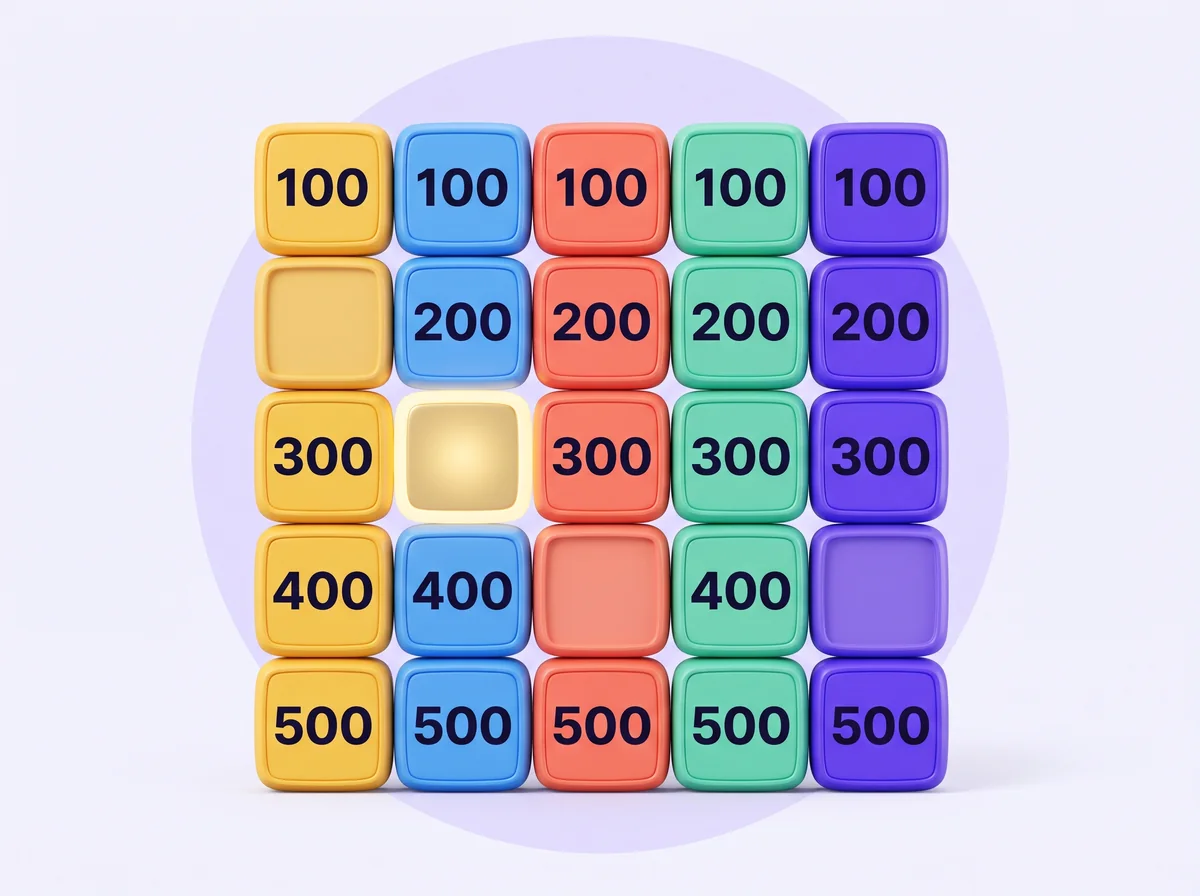 Табло5 теми по 5 въпроса, от 100 до 500 точки. Отборите избират поле, едно поле крие двойна стойност.Безплатно
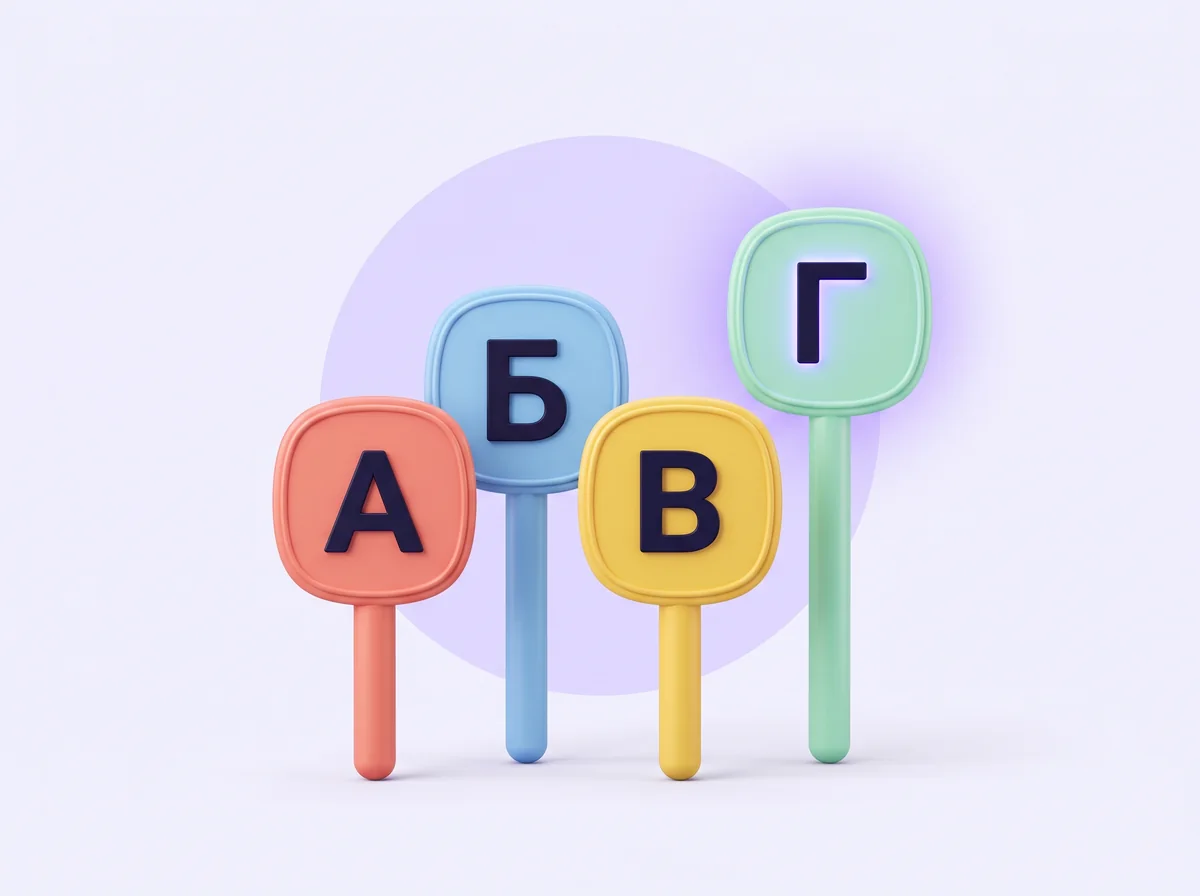 Отборен тест А/Б/В/ГВъпрос с четири отговора и таймер. Всеки отбор вдига карта с буква.Пусни на проектора
 НадбягванеВсеки отбор има писта. Верният отговор движи колата напред, трудният въпрос дава турбо.Пусни на проектора
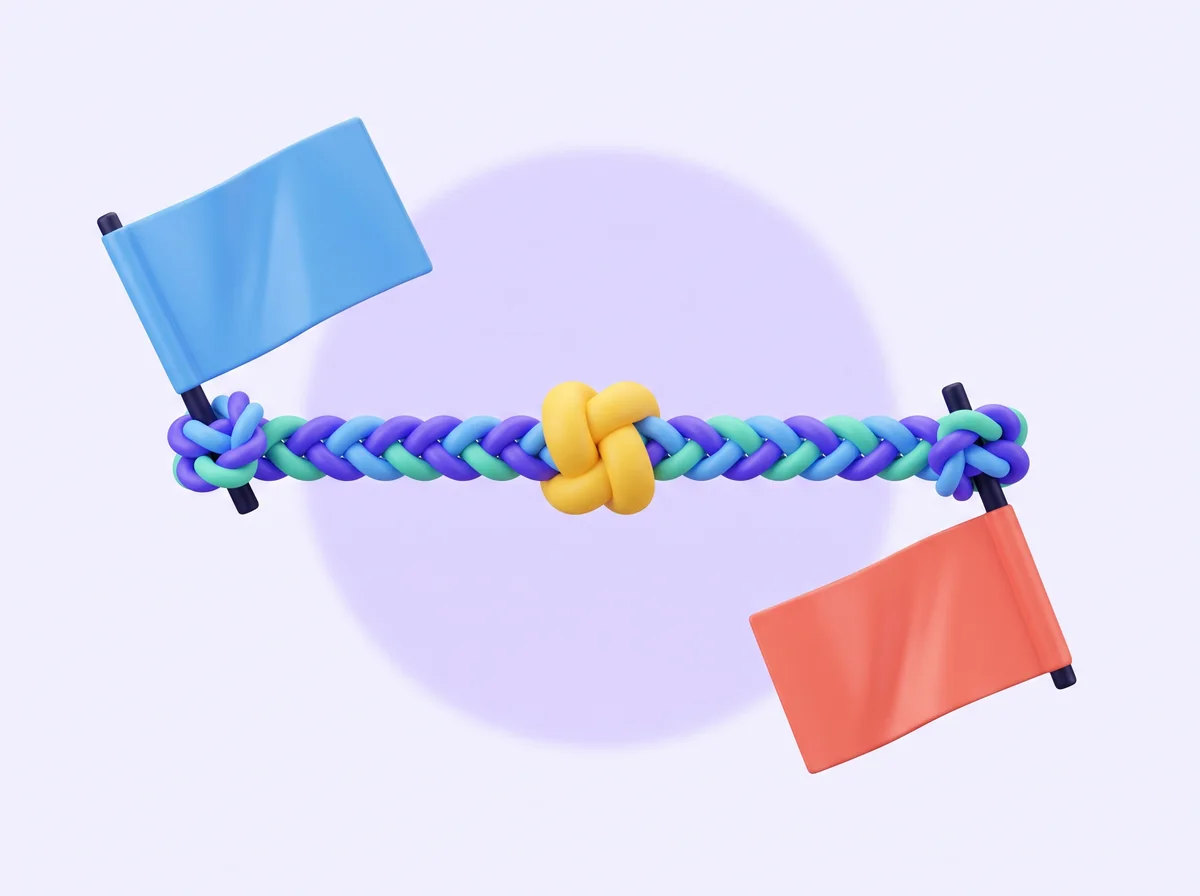 Теглене на въжеДва отбора един срещу друг. Всеки верен отговор дърпа въжето към твоя отбор.Пусни на проектора
 Морски шахХ срещу О на поле 3 на 3. За да заемеш квадрат, трябва да отговориш на въпроса в него.Пусни на проектора
 БомбаБомбата с неизвестен фитил минава от отбор на отбор при верен отговор. Не я задържай!Пусни на проектора
 КолелотоЗавъртете колелото: то избира темата и наградата. Понякога носи бонус, понякога взима хода.Пусни на проектора
Целият клас
Всички играят заедно или един по един пред класа. Ескейп стаяПет заключени врати и часовник. Всяка решена врата дава цифра от кода за изход.Пусни на проектора
 Милионер15 въпроса с нарастваща трудност, три жокера и сигурни суми.Пусни на проектора
 Горещ столЕдин ученик, 60 секунди и колкото може повече верни отговори. Класът следи класацията.Пусни на проектора
 БингоРазпечатайте картите. Учителят чете въпросите, учениците зачеркват отговорите.Пусни на проектора
 Вярно или невярноБързи твърдения. Класът гласува с палец нагоре или надолу.Безплатно
Думи и понятия
Ключовите понятия от темата: познай, свържи, запомни. КръстословицаКръстословица от 10 ключови понятия. Решавате на екрана или я разпечатвате.Пусни на проектора
 БесеницаПознайте понятието буква по буква, преди да свършат опитите.Пусни на проектора
 Тайният обектТри подсказки от трудна към лесна. Колкото по-рано познаеш, толкова повече точки.Пусни на проектора
 МемориОбърнати карти с въпроси и отговори. Намерете двойките и запомнете къде са.Пусни на проектора
 Свържи двойкитеШест въпроса и шест отговора, разбъркани. Отборите ги свързват на ред.Пусни на проектора
Мислене
Подреждане и откриване на грешки: разбиране, не наизуст.
Уроци в темата
Кратко обяснение, най-важното за запомняне и въпроси за всеки урок от учебната програма.
Въпроси и отговори: Медиите и информацията
Всички въпроси от комплекта по английски език за 12 клас. Натиснете въпроса, за да видите верния отговор и обяснението. Удобно за преговор преди контролно и за подготовка у дома.
News and fake news
A story that is deliberately false but presented as real news is called ___.
- fake news
- breaking news
- a headline
- a column
Отговор: fake news
Fake news е невярна информация, представена умишлено като истинска новина.
The person who decides what goes into a newspaper and checks the articles is the ___.
- reader
- editor
- printer
- subscriber
Отговор: editor
Editor (редактор) избира и проверява материалите.
A person who writes news stories for a newspaper or website is a ___.
- pilot
- journalist
- dentist
- plumber
Отговор: journalist
Journalist е журналистът, който пише новини.
The title of a newspaper article, printed in large letters, is the ___.
- caption
- byline
- headline
- footnote
Отговор: headline
Headline е заглавието на статията; caption е текстът под снимка, а byline е името на автора.
An exclusive story that one newspaper publishes before all the others is a ___.
- leak
- rumour
- review
- scoop
Отговор: scoop
Scoop е ексклузивна новина, публикувана първа.
A newspaper that is published every day is a ___ newspaper.
- weekly
- yearly
- monthly
- daily
Отговор: daily
Daily означава всекидневен.
An exaggerated headline designed mainly to make people click is called ___.
- a scoop
- clickbait
- a press release
- an obituary
Отговор: clickbait
Clickbait са подвеждащи или преувеличени заглавия, чиято цел е повече кликове.
A website that publishes funny, invented news stories as a joke is ___.
- a tabloid
- a broadsheet
- satire
- a news agency
Отговор: satire
Сатирата използва измислени новини, за да осмее нещо.
A piece in a newspaper that gives the opinion of the editors is an ___.
- editorial
- obituary
- advert
- index
Отговор: editorial
Editorial е уводна статия с мнението на редакцията.
What is the most reliable first step when checking whether a viral story is true?
- Check how many likes it has
- See if your friends have shared it
- Trust it if it has a photo
- Look for the same story in several reputable sources
Отговор: Look for the same story in several reputable sources
Сравняването с няколко надеждни източника е основният начин за проверка; харесванията и споделянията не доказват истинност.
Which type of newspaper is known for sensational stories and celebrity gossip?
- tabloid
- broadsheet
- academic journal
- official gazette
Отговор: tabloid
Таблоидите търсят сензации и клюки.
News that is shared extremely quickly online by many people has gone ___.
- vital
- virtual
- viral
- visual
Отговор: viral
Go viral: да се разпространи масово и бързо в мрежата.
False information spread on purpose to deceive is 'disinformation'. False information shared by someone who believes it is ___.
- misinformation
- malinformation
- propaganda
- satire
Отговор: misinformation
Misinformation е невярна информация, разпространявана без умисъл; disinformation се разпространява съзнателно.
When a journalist checks every claim in a story before publishing it, this is called ___.
- ghost-writing
- proofreading
- editorialising
- fact-checking
Отговор: fact-checking
Fact-checking е проверка на фактите; proofreading е проверка на правописа.
A journalist who refuses to reveal who gave them information is protecting their ___.
- readers
- headlines
- advertisers
- sources
Отговор: sources
Журналистите пазят анонимността на източниците си.
Reported speech
'I am tired,' she said. → She said that she ___ tired.
- is
- was
- were
- has been
Отговор: was
В непряка реч Present Simple преминава в Past Simple: am → was.
'I can swim,' he said. → He said he ___ swim.
- can
- may
- could
- should
Отговор: could
Can в непряка реч става could.
'I like pizza,' Ana said. → Ana said she ___ pizza.
- likes
- had like
- is liking
- liked
Отговор: liked
При преразказ след said Present Simple става Past Simple.
'I will call you,' he told me. → He told me he ___ call me.
- will
- shall
- could have
- would
Отговор: would
Will в непряка реч става would.
'Are you ready?' she asked. → She asked me ___ I was ready.
- that
- if
- what
- do
Отговор: if
Въпросите с да/не се предават с if или whether.
'We are watching TV,' they said. → They said they ___ TV.
- are watching
- were watching
- watched
- have watched
Отговор: were watching
Present Continuous става Past Continuous.
'Where do you live?' she asked. → She asked me where ___.
- did I live
- do I live
- I lived
- lived I
Отговор: I lived
В непрекия въпрос редът е като в съобщително изречение (подлог + сказуемо), без спомагателен глагол do/did.
'We arrived here last week,' they said. → They said they had arrived there ___.
- the week before
- last week
- next week
- this week
Отговор: the week before
Last week обикновено става the week before (the previous week).
'I must leave now,' he said. → He said he ___ leave then.
- has to
- musts
- had to
- will
Отговор: had to
Must обикновено се преразказва с had to.
(Reported days later, in another place) 'I saw him yesterday,' Tom said. → Tom said he had seen him ___.
- yesterday
- the day before
- tomorrow
- the next day
Отговор: the day before
Yesterday в непряка реч обикновено става the day before (или the previous day).
'I have been working all day,' Mum said. → Mum said she ___ all day.
- has been working
- had been working
- was working
- worked
Отговор: had been working
Present Perfect Continuous преминава в Past Perfect Continuous.
'I'll see you tomorrow,' she said. → She said she would see me ___.
- the next day
- tomorrow ago
- yesterday
- the day before
Отговор: the next day
Tomorrow при преразказ става the next day (the following day).
'Don't touch the wires!' the electrician said to us. → The electrician ___.
- told us to not touching the wires
- said us not touch the wires
- told us don't touch the wires
- told us not to touch the wires
Отговор: told us not to touch the wires
Отрицателна заповед се предава с tell + обект + not to + инфинитив.
'Please close the door,' the teacher said to Ivan. → The teacher ___ the door.
- said Ivan to close
- asked Ivan closing
- told to Ivan close
- asked Ivan to close
Отговор: asked Ivan to close
Молба се предава с ask + обект + to-инфинитив.
'What time did the film start?' he asked. → He asked me what time ___.
- did the film start
- the film had started
- had the film started
- the film starts
Отговор: the film had started
В непрекия въпрос няма инверсия, а Past Simple става Past Perfect.
Critical thinking
Which of these is a fact, not an opinion?
- Sofia is the capital of Bulgaria.
- Sofia is the most beautiful city in Europe.
- Summer is the best season.
- Football is more exciting than tennis.
Отговор: Sofia is the capital of Bulgaria.
Фактът може да се провери; останалите изречения изразяват лична оценка.
Which word means 'information that shows something is true'?
- rumour
- gossip
- evidence
- guess
Отговор: evidence
Evidence означава доказателство.
Which word means a personal belief that cannot be proved?
- opinion
- fact
- statistic
- date
Отговор: opinion
Opinion е лично мнение, а фактът може да се провери.
A source that shows only one side of a story in order to influence people is ___.
- objective
- neutral
- biased
- balanced
Отговор: biased
Biased означава пристрастен, едностранчив.
Which question helps you evaluate a source?
- What colour is the website?
- How long is the article?
- Who wrote it and why?
- Is the font modern?
Отговор: Who wrote it and why?
Авторът и целта му показват дали източникът е надежден.
A website ending in '.gov' usually belongs to ___.
- a shop
- a pop star
- a government
- a football club
Отговор: a government
Домейнът .gov се използва от държавни институции.
Which is the most reliable source of information about a new medicine?
- An anonymous social media post
- A celebrity's blog
- An advertisement for the medicine
- A peer-reviewed medical journal
Отговор: A peer-reviewed medical journal
Рецензираните научни списания се проверяват от други експерти преди публикуване.
A photo that has been changed with software to show something false has been ___.
- manipulated
- illustrated
- captured
- printed
Отговор: manipulated
Manipulated означава подправен, променен с цел заблуда.
When you check the date of an article, you are checking if it is ___.
- funny
- up to date
- long
- colourful
Отговор: up to date
Датата показва дали информацията е актуална.
An 'echo chamber' online is a situation where people ___.
- hear sounds repeated many times
- are not allowed to post comments
- mostly see opinions that match their own
- read only printed newspapers
Отговор: mostly see opinions that match their own
В echo chamber човек вижда предимно мнения, които потвърждават неговите собствени.
'Only 2 out of 100 people surveyed liked the product.' Which conclusion is justified?
- Nobody likes the product.
- Everyone in the country hates the product.
- The product is dangerous.
- Most people surveyed did not like the product.
Отговор: Most people surveyed did not like the product.
Изводът трябва да се отнася само до анкетираните и да следва от данните.
'If we allow phones in class, soon students will stop learning altogether.' This is a ___ argument.
- statistical
- scientific
- balanced
- slippery slope
Отговор: slippery slope
Slippery slope: неоснователно твърдение, че една стъпка неизбежно води до крайно последствие.
'Everyone is buying this phone, so it must be the best.' This argument is an example of ___.
- the bandwagon fallacy
- a reliable statistic
- a scientific proof
- a counter-argument
Отговор: the bandwagon fallacy
Bandwagon fallacy: нещо е вярно или добро само защото много хора го правят или вярват в него.
Our tendency to believe information that supports what we already think is called ___.
- peer review
- confirmation bias
- fair use
- cross-checking
Отговор: confirmation bias
Confirmation bias: склонност да приемаме информация, която потвърждава вече съществуващите ни възгледи.
Attacking the person instead of their argument is called a/an ___ argument.
- ad hominem
- evidence-based
- inductive
- neutral
Отговор: ad hominem
Ad hominem: нападка срещу човека, а не срещу аргумента му.
Reporting verbs
'I'll help you with your homework,' said Ana. → Ana ___ to help me with my homework.
- denied
- offered
- accused
- refused
Отговор: offered
Offer to do something: предлагам да направя нещо.
'Sorry I'm late,' said Tom. → Tom ___ for being late.
- apologised
- complained
- warned
- refused
Отговор: apologised
Apologise for + -ing: извинявам се за нещо.
'Can you help me?' she asked. → She ___ me to help her.
- told
- said
- asked
- spoke
Отговор: asked
Молба се преразказва с ask someone to do something.
'I didn't take the money,' he said. → He ___ taking the money.
- denied
- admitted
- promised
- agreed
Отговор: denied
Deny + -ing: отричам, че съм направил нещо.
'Yes, I broke the vase,' said the boy. → The boy ___ breaking the vase.
- denied
- offered
- threatened
- admitted
Отговор: admitted
Admit + -ing: признавам, че съм направил нещо.
'Remember to buy milk,' Mum said to me. → Mum ___ me to buy milk.
- reported
- remembered
- recalled
- reminded
Отговор: reminded
Remind someone to do something: напомням на някого.
'You should see a doctor,' she said to me. → She ___ me to see a doctor.
- suggested
- insisted
- apologised
- advised
Отговор: advised
Advise + обект + to-инфинитив; suggest не се използва с тази конструкция.
'Don't swim here, it's dangerous,' the lifeguard said. → The lifeguard ___ us not to swim there.
- apologised
- admitted
- warned
- suggested
Отговор: warned
Warn + обект + not to + инфинитив: предупреждавам.
'Why don't you try the new café?' said Tom. → Tom ___ that we try the new café.
- denied
- recommended
- refused
- admitted
Отговор: recommended
Recommend that someone (should) do: препоръчвам.
'Let's go to the cinema,' said Maria. → Maria ___ going to the cinema.
- offered
- suggested
- told
- refused
Отговор: suggested
Let's ... се предава със suggest + -ing.
'No, I won't lend you my car,' said Dad. → Dad ___ to lend me his car.
- denied
- refused
- admitted
- suggested
Отговор: refused
Refuse to do something: отказвам да направя нещо.
'Well done, you won the prize!' said the teacher. → The teacher congratulated me ___ the prize.
- on winning
- to win
- for win
- of winning
Отговор: on winning
Congratulate someone on doing something.
'You broke the window, Peter!' said the teacher. → The teacher accused Peter ___ the window.
- for breaking
- to break
- of breaking
- about breaking
Отговор: of breaking
Accuse somebody of doing something: обвинявам някого в нещо.
'I'll definitely be there on time,' said Ana. → Ana ___ to be there on time.
- insisted
- promised
- accused
- congratulated
Отговор: promised
Promise to do something: обещавам.
'It was you who broke it!' he said to his sister. → He ___ his sister of breaking it.
- blamed
- criticised
- accused
- warned
Отговор: accused
Accuse someone of doing something; blame someone for something.
For and against essay
Which linking word introduces a contrasting idea?
- Moreover
- However
- Firstly
- Therefore
Отговор: However
However въвежда противопоставяне; moreover добавя, therefore показва резултат.
Which phrase introduces the first argument?
- To begin with
- In conclusion
- On the contrary
- Finally
Отговор: To begin with
To begin with означава като начало, първо.
A for and against essay presents ___.
- only one side
- only a story
- both sides of an issue
- only facts about the writer
Отговор: both sides of an issue
Есето за и против разглежда и двете страни на въпроса.
In a for and against essay, the writer's own opinion is usually given in the ___.
- title
- paragraph with the advantages
- conclusion
- paragraph with the disadvantages
Отговор: conclusion
В есето за и против двете страни се представят обективно, а личното мнение се изказва в заключението.
Which linker adds another point in the same direction?
- Nevertheless
- Although
- Furthermore
- Whereas
Отговор: Furthermore
Furthermore означава освен това.
Which phrase introduces the final paragraph?
- To sum up,
- Once upon a time,
- Firstly,
- By the way,
Отговор: To sum up,
To sum up / In conclusion въвеждат заключението.
Which phrase is the most suitable for formal writing?
- It could be argued that
- I reckon that
- Like I said
- Basically it's like
Отговор: It could be argued that
It could be argued that е безличен, формален израз, подходящ за есе.
Complete: 'Online learning is flexible. ___, students may feel isolated.'
- For example
- As a result
- In addition
- On the other hand
Отговор: On the other hand
On the other hand въвежда противоположна гледна точка.
Which is NOT suitable in a formal essay?
- a clear structure
- linking words
- topic sentences
- contractions like 'don't'
Отговор: contractions like 'don't'
В официално есе се избягват съкратени форми като don't, can't.
Complete: '___ social media keeps us connected, it can also be addictive.'
- Despite
- However
- In spite
- Although
Отговор: Although
Although се следва от цяло подчинено изречение; despite и in spite of изискват съществително или -ing.
Which sentence is the best example of a balanced, impersonal style?
- I totally think home working is awesome!
- Some people believe that working from home improves productivity.
- Everybody knows offices are useless.
- You'd be crazy to work in an office.
Отговор: Some people believe that working from home improves productivity.
Безличните формулировки и умереният тон са подходящи за формално есе.
Complete: 'There are several advantages. ___, public transport is cheaper.'
- In contrast
- For one thing
- Nevertheless
- Even though
Отговор: For one thing
For one thing въвежда първия довод в подкрепа.
Which linker shows a result?
- Consequently
- Nevertheless
- Whereas
- In addition
Отговор: Consequently
Consequently означава в резултат на това.
Complete: '___ the high cost, many families buy smartphones for their children.'
- Although
- However
- Even though
- Despite
Отговор: Despite
След despite стои съществително (the high cost), а не цяло изречение.
Complete: 'Some say exams are stressful; ___, they help students organise their time.'
- moreover
- as a result
- nonetheless
- for example
Отговор: nonetheless
Nonetheless показва контраст: въпреки това.
Финален въпрос
Report this sentence: 'I have finished my essay,' Maria said.
Отговор: Maria said (that) she had finished her essay.
Present Perfect преминава в Past Perfect, а I и my се сменят съответно на she и her.
Ключови понятия по темата
- Headline
- Заглавието на статия във вестник, с големи букви
- Journalist
- A person who collects and writes news for the media
- Editor
- The person who decides what is published and checks articles
- Clickbait
- Exaggerated headlines made to attract clicks
- Source
- Where information comes from
- Bias
- Showing unfair support for one side
- Propaganda
- One-sided information used to promote a political cause
- Evidence
- Facts or information that show something is true
- Opinion
- What a person thinks or believes, not a fact
- Hoax
- A trick that makes people believe something false
Често задавани въпроси
Как да проведа час по темата „Медиите и информацията“ с игра?
Изберете игра от комплекта и я пуснете на проектора или интерактивната дъска. Табло е добро за преговор на целия раздел, Ескейп стая е подходяща преди контролно, а Вярно или невярно е бърза загрявка в началото на часа. Не е нужно нищо за инсталиране.
По учебната програма ли са въпросите за 12 клас?
Да. Въпросите следват учебната програма на МОН по английски език за 12 клас (втори гимназиален етап) и покриват: News and fake news, Reported speech, Critical thinking, Reporting verbs, For and against essay.
Могат ли учениците да отговарят от телефоните си?
Да. С режим „На живо“ всеки ученик влиза с код от телефона си, отговаря на въпросите и вижда класацията в реално време.
Може ли детето да упражнява темата у дома?
Да. В раздел „У дома“ детето играе със същите въпроси, събира звезди и повтаря грешките си, а родителят вижда напредъка.