Планове и бъдеще (Plans and the future)
76 въпроса с отговори, 10 ключови понятия и 6 задачи за мислене и 19 игри за проектора.

- 1 Тема: Планове и бъдеще (Plans and the future)
- 2 Изберете игра
- 3 Пуснете на проектора
Планове и бъдеще (Plans and the future)
Табло и Вярно или невярно са безплатни с профил. Всички игри и „На живо“: 30 дни безплатно за учители. Цени
На живо с телефониУчениците влизат с код и отговарят от телефона си. Класация в реално време.Без проектор и без телефони
Отбелязвате от своя компютър, а всеки отговор отива в профила на ученика.Отборни битки
Класът е разделен на отбори, които се състезават за точки.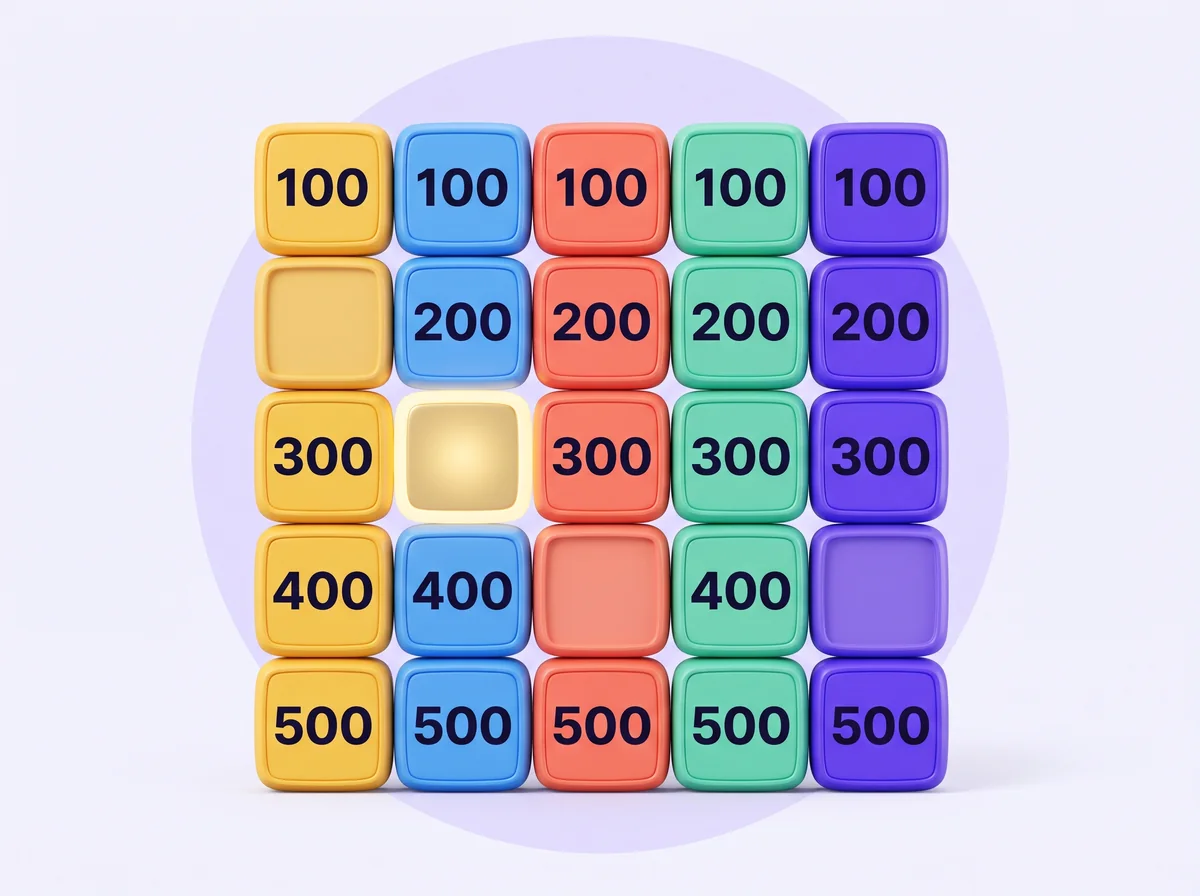 Табло5 теми по 5 въпроса, от 100 до 500 точки. Отборите избират поле, едно поле крие двойна стойност.Безплатно
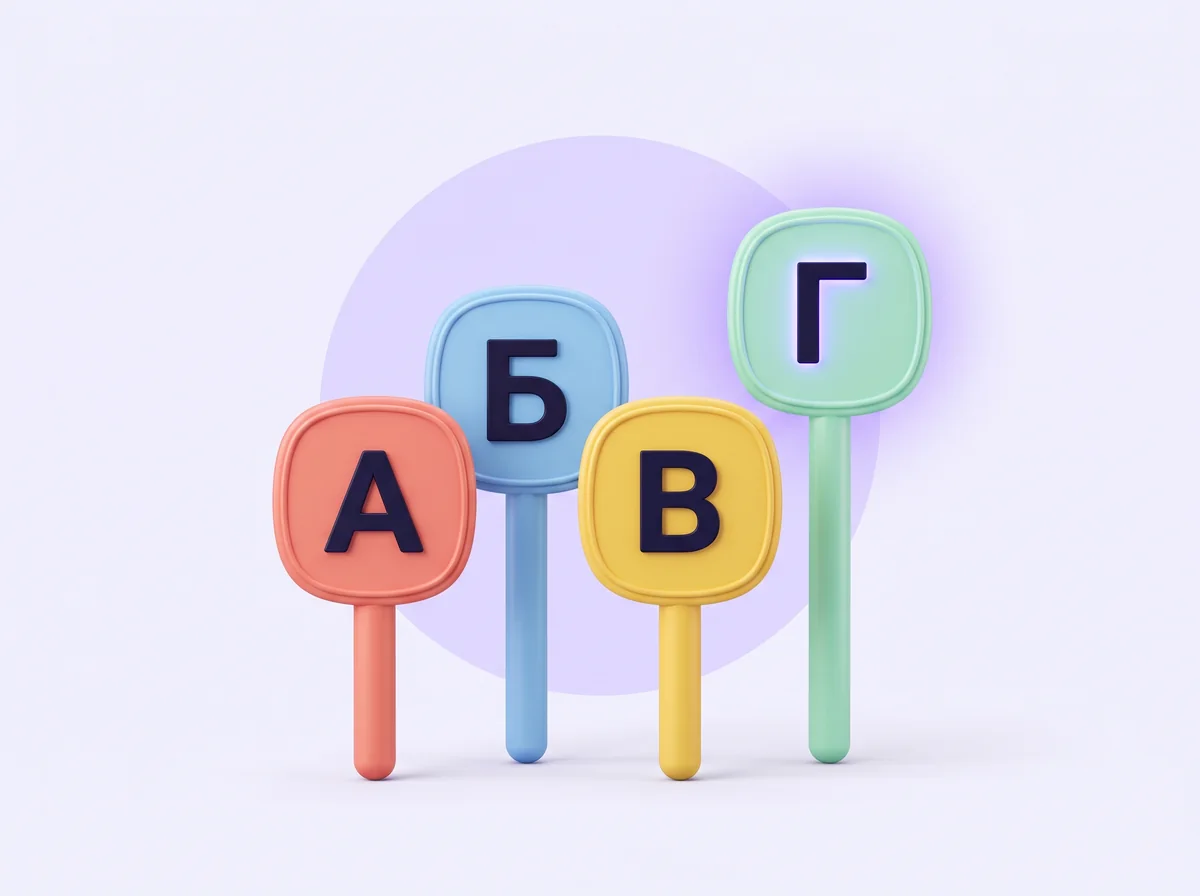 Отборен тест А/Б/В/ГВъпрос с четири отговора и таймер. Всеки отбор вдига карта с буква.Пусни на проектора
 НадбягванеВсеки отбор има писта. Верният отговор движи колата напред, трудният въпрос дава турбо.Пусни на проектора
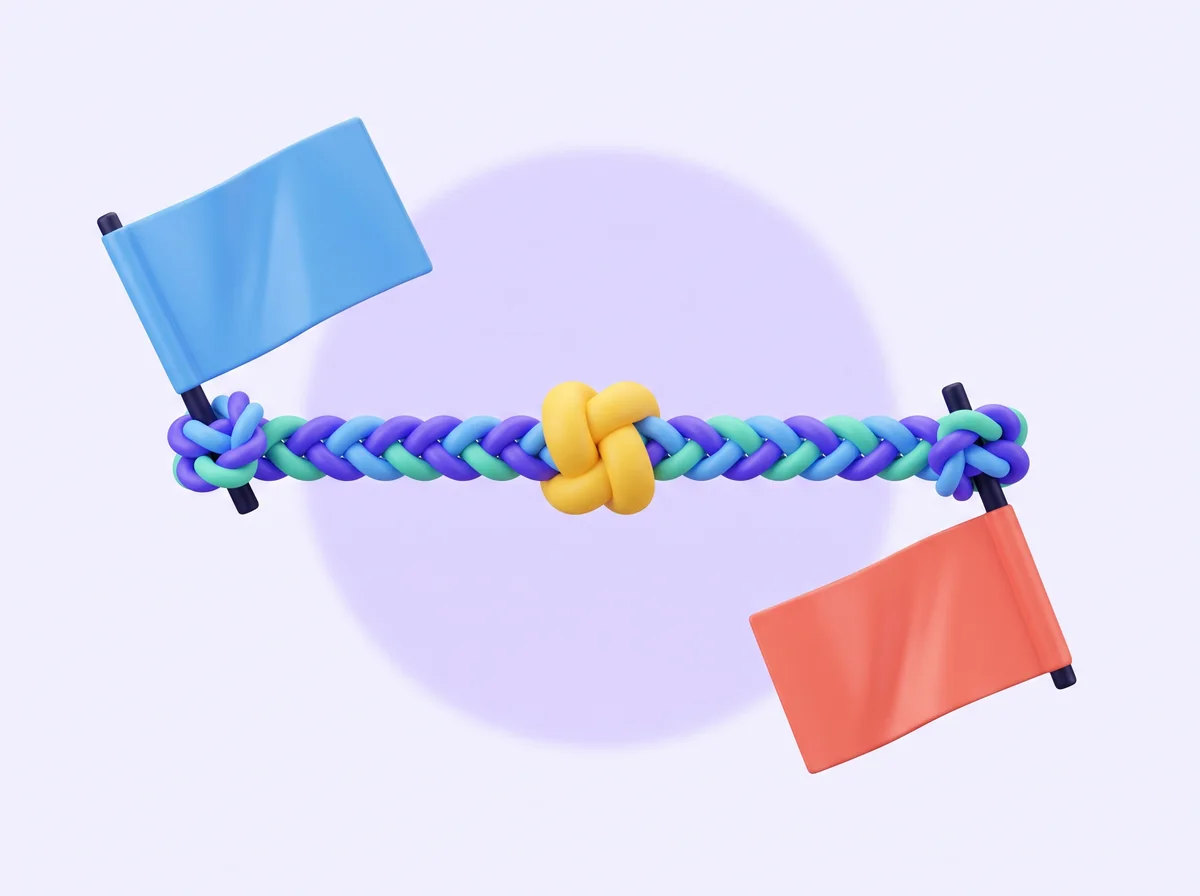 Теглене на въжеДва отбора един срещу друг. Всеки верен отговор дърпа въжето към твоя отбор.Пусни на проектора
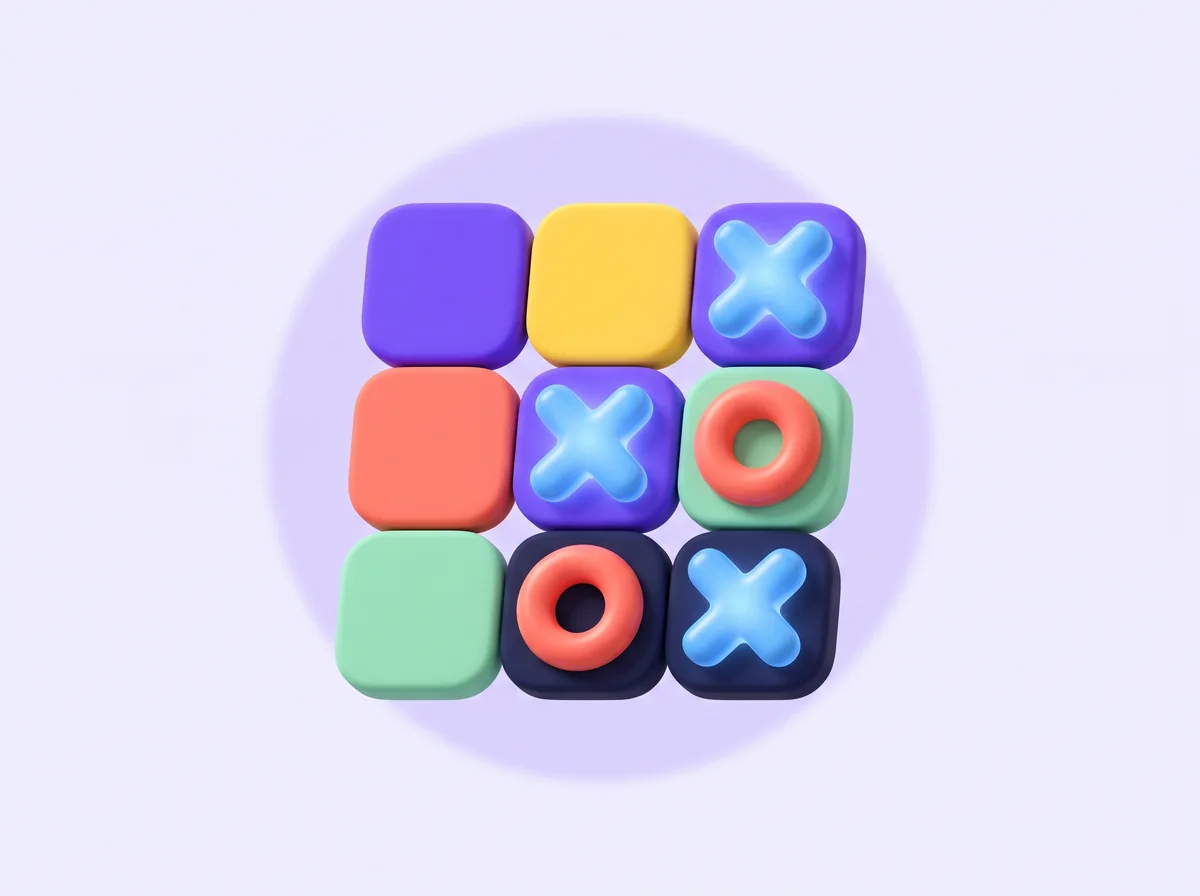 Морски шахХ срещу О на поле 3 на 3. За да заемеш квадрат, трябва да отговориш на въпроса в него.Пусни на проектора
 БомбаБомбата с неизвестен фитил минава от отбор на отбор при верен отговор. Не я задържай!Пусни на проектора
 КолелотоЗавъртете колелото: то избира темата и наградата. Понякога носи бонус, понякога взима хода.Пусни на проектора
Целият клас
Всички играят заедно или един по един пред класа. Ескейп стаяПет заключени врати и часовник. Всяка решена врата дава цифра от кода за изход.Пусни на проектора
 Милионер15 въпроса с нарастваща трудност, три жокера и сигурни суми.Пусни на проектора
 Горещ столЕдин ученик, 60 секунди и колкото може повече верни отговори. Класът следи класацията.Пусни на проектора
 БингоРазпечатайте картите. Учителят чете въпросите, учениците зачеркват отговорите.Пусни на проектора
 Вярно или невярноБързи твърдения. Класът гласува с палец нагоре или надолу.Безплатно
Думи и понятия
Ключовите понятия от темата: познай, свържи, запомни.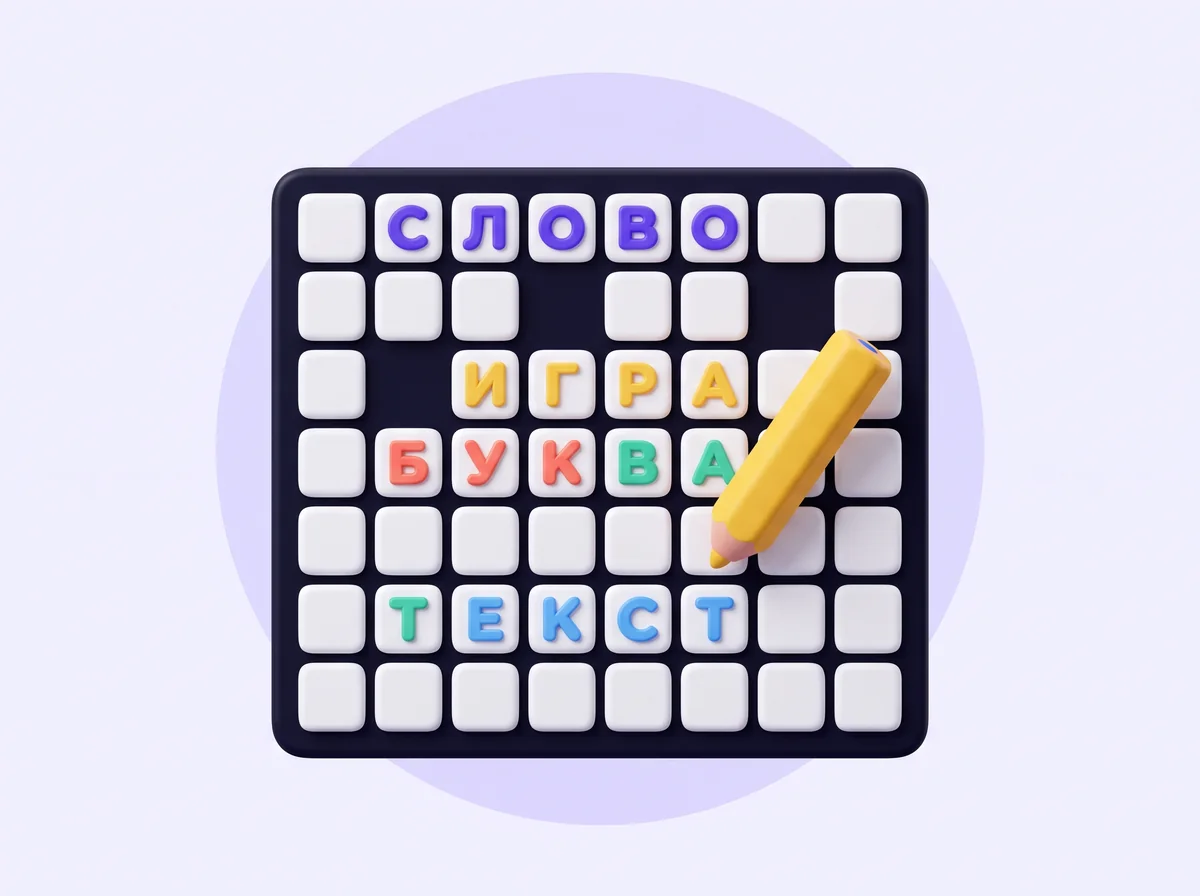 КръстословицаКръстословица от 10 ключови понятия. Решавате на екрана или я разпечатвате.Пусни на проектора
 БесеницаПознайте понятието буква по буква, преди да свършат опитите.Пусни на проектора
 Тайният обектТри подсказки от трудна към лесна. Колкото по-рано познаеш, толкова повече точки.Пусни на проектора
 МемориОбърнати карти с въпроси и отговори. Намерете двойките и запомнете къде са.Пусни на проектора
 Свържи двойкитеШест въпроса и шест отговора, разбъркани. Отборите ги свързват на ред.Пусни на проектора
Мислене
Подреждане и откриване на грешки: разбиране, не наизуст.
Уроци в темата
Кратко обяснение, най-важното за запомняне и въпроси за всеки урок от учебната програма.
Въпроси и отговори: Планове и бъдеще (Plans and the future)
Всички въпроси от комплекта по английски език за 6 клас. Натиснете въпроса, за да видите верния отговор и обяснението. Удобно за преговор преди контролно и за подготовка у дома.
Be going to
Choose: 'I ___ going to visit my grandma.'
- am
- is
- are
- be
Отговор: am
С I използваме am: I am going to...
What does 'be going to' usually show?
- a past action
- a plan for the future
- a habit
- a rule
Отговор: a plan for the future
Be going to изразява намерение или план за бъдещето.
Choose: 'They ___ going to buy a new car.'
- is
- are
- am
- be
Отговор: are
С they: are going to.
Choose: 'She ___ to learn French next year.'
- are going
- is going
- going
- goes
Отговор: is going
С she използваме is going to.
Choose: 'He ___ going to be a doctor when he grows up.'
- am
- are
- is
- be
Отговор: is
С he използваме is.
Choose: 'I'm going to ___ my room tomorrow.'
- cleaning
- cleaned
- clean
- cleans
Отговор: clean
След going to използваме основната форма: clean.
Choose the negative: 'We ___ going to watch TV tonight.'
- don't
- isn't
- aren't
- not
Отговор: aren't
С we отрицанието е aren't going to.
Choose: 'What ___ you going to do this summer?'
- are
- do
- will
- is
Отговор: are
Въпрос с going to: What are you going to do?
Which time expression goes with 'be going to'?
- last week
- yesterday
- two days ago
- next week
Отговор: next week
Next week показва бъдеще.
Choose: '___ you going to play football on Saturday?'
- Do
- Will
- Is
- Are
Отговор: Are
Въпросът се образува с обръщане: Are you going to...?
Choose the short answer: 'Is Maria going to come?' - 'No, she ___.'
- doesn't
- won't go
- isn't
- not
Отговор: isn't
Краткият отговор повтаря be: No, she isn't.
Choose: '___ is Tom going to visit?' - 'His uncle.'
- Who
- Where
- When
- What
Отговор: Who
Отговорът е човек, затова питаме с Who.
Look at the dark clouds! It ___ rain.
- is going to
- will be
- going to
- is go to
Отговор: is going to
Going to използваме за предвиждане, когато виждаме доказателство сега.
Choose: 'Be careful! You ___ fall!'
- will going to
- going
- are go to
- are going to
Отговор: are going to
Виждаме, че нещо ще се случи всеки момент: You are going to fall.
Choose the correct sentence.
- She doesn't going to come to the party.
- She isn't going to come to the party.
- She not going to come to the party.
- She isn't go to come to the party.
Отговор: She isn't going to come to the party.
Отрицание: isn't going to + основна форма.
Will за предвиждания
Choose: 'I think it ___ be sunny tomorrow.'
- wills
- will
- is
- does
Отговор: will
За предвиждане използваме will + основна форма. Will не получава -s.
Choose: 'Maybe we ___ win the match.'
- are
- does
- will
- is
Отговор: will
Maybe често върви с will за предвиждане.
Choose: 'In the future, people ___ live on Mars.'
- will
- are
- did
- was
Отговор: will
За предвиждане за бъдещето: will + основна форма.
What is the short form of 'will not'?
- won't
- willn't
- wo'nt
- wiln't
Отговор: won't
Will not се съкращава до won't.
Choose: '___ it be cold tomorrow?'
- Does
- Is
- Are
- Will
Отговор: Will
Въпрос с will: Will it be cold?
Choose: 'He ___ be fourteen next year.'
- is
- will
- was
- does
Отговор: will
Next year е бъдеще: will be.
Choose: 'I'm sure you ___ the exam.'
- pass will
- will to pass
- will pass
- will passing
Отговор: will pass
След will стои основна форма без to: will pass.
Choose: 'I ___ we will have flying cars one day.'
- think
- am
- going
- will
Отговор: think
I think често въвежда предвиждане с will.
Choose: 'I'm sure it ___ snow in Sofia in July.'
- will
- doesn't
- won't
- isn't
Отговор: won't
През юли в София не вали сняг: won't (will not).
Choose: 'I don't think he ___ come to the party.'
- won't
- wills
- is
- will
Отговор: will
След I don't think използваме will, а не won't (не слагаме две отрицания).
Choose: 'She ___ be late.' (She is not sure.)
- probably wills
- will probably
- will probable
- probable will
Отговор: will probably
В утвърдително изречение probably стои след will.
Which word shows that the speaker is almost 100% sure?
- maybe
- perhaps
- possibly
- definitely
Отговор: definitely
Definitely означава определено, със сигурност.
Which sentence is a prediction?
- I'm meeting Sam at 5 pm.
- Robots will do many jobs in the future.
- I'm going to paint my room, I've bought the paint.
- We are flying to Paris on Monday.
Отговор: Robots will do many jobs in the future.
Will изразява мнение какво ще стане в бъдеще.
Your friend is carrying heavy bags. You decide to help now: 'Wait! I ___ you.'
- will help
- help
- am helping
- helped
Отговор: will help
За решение в момента на говорене използваме will: I'll help you.
Choose: 'I promise I ___ tell anyone your secret.'
- don't
- won't
- am not
- not will
Отговор: won't
За обещания използваме will / won't.
Уговорки за бъдещето
Choose: 'I ___ meeting my friends tomorrow at 6.'
- is
- are
- am
- do
Отговор: am
Сегашно продължително за уговорка: I am meeting.
Which time word shows the future?
- yesterday
- tomorrow
- last week
- ago
Отговор: tomorrow
Tomorrow (утре) е за бъдеще.
Which word means 'час (при лекар), уговорена среща'?
- an appointment
- a holiday
- a ticket
- a lesson
Отговор: an appointment
Appointment е уговорена среща в точен час.
Which sentence is about a future arrangement?
- I am reading now.
- We're having a party on Saturday.
- She reads every day.
- They were dancing.
Отговор: We're having a party on Saturday.
On Saturday показва, че партито е уговорено за бъдещето.
Choose: 'We ___ flying to London on Monday.'
- is
- am
- are
- be
Отговор: are
С we използваме are: We are flying.
Choose: 'They ___ getting married next June.'
- is
- am
- are
- be
Отговор: are
С they: are getting married.
Choose: 'What ___ you doing this weekend?'
- are
- do
- will
- did
Отговор: are
What are you doing...? пита за уговорки.
Choose: '___ your brother coming to the party?'
- Is
- Are
- Does
- Do
Отговор: Is
Brother е he, затова Is your brother coming?
Choose: '___ are you meeting Kate?' - 'At the cinema.'
- When
- Where
- Who
- What time
Отговор: Where
Отговорът е място, затова питаме с Where.
Choose the negative: 'Tom ___ coming to the cinema tonight.'
- doesn't
- don't
- aren't
- isn't
Отговор: isn't
С Tom (he) отрицанието е isn't + -ing.
'Are you free on Friday evening?' Choose the best answer.
- Sorry, I played tennis.
- Sorry, I play tennis yesterday.
- Sorry, I was playing tennis.
- Sorry, I'm playing tennis with Ana.
Отговор: Sorry, I'm playing tennis with Ana.
Отговорът трябва да е за бъдеще: уговорка в Present Continuous.
Which sentence is a fixed arrangement?
- I think I'll go out.
- Maybe it will rain.
- It's going to rain.
- I'm having lunch with my aunt tomorrow at one.
Отговор: I'm having lunch with my aunt tomorrow at one.
Има уговорено време и човек: Present Continuous за уговорка.
Diary: 'Monday - dentist, 4 pm'. Which sentence is correct?
- I seeing the dentist on Monday at 4 pm.
- I'm see the dentist on Monday at 4 pm.
- I'm seeing the dentist on Monday at 4 pm.
- I am saw the dentist on Monday at 4 pm.
Отговор: I'm seeing the dentist on Monday at 4 pm.
Уговорен час: am + -ing, I'm seeing the dentist.
Which sentence is NOT about the future?
- I'm visiting my aunt next week.
- We're having lunch at 1 tomorrow.
- Look! They're playing in the garden.
- She's leaving on Sunday.
Отговор: Look! They're playing in the garden.
Look! показва, че действието става сега.
'What are you doing on Saturday afternoon?' Choose the best reply.
- I played football.
- I'm play football.
- I'm playing football with my team.
- I play football yesterday.
Отговор: I'm playing football with my team.
Отговаряме за план с Present Continuous: I'm playing.
Пътуване и транспорт
Which vehicle flies?
- a plane
- a train
- a ship
- a bus
Отговор: a plane
Самолетът (plane) лети.
Which vehicle has two wheels and pedals?
- a car
- a bicycle
- a train
- a lorry
Отговор: a bicycle
Велосипедът има две колела и педали.
Which vehicle travels on water?
- a bus
- a taxi
- a boat
- a train
Отговор: a boat
Boat означава лодка и се движи по вода.
Choose: 'I go to school ___ bus.'
- on
- by
- with
- in
Отговор: by
Начин на пътуване: by bus, by car, by train.
What is the opposite of 'arrive'?
- leave
- come
- stay
- land
Отговор: leave
Arrive е пристигам, leave е тръгвам.
Where do you catch a plane?
- at an airport
- at a port
- at a bus stop
- at a garage
Отговор: at an airport
Самолетите излитат и кацат на летище (airport).
Where do you catch a train?
- at an airport
- at a harbour
- at a railway station
- at a petrol station
Отговор: at a railway station
Влакът тръгва от гара (railway station).
Where do you put your clothes when you travel?
- in a ticket
- in a map
- in a passport
- in a suitcase
Отговор: in a suitcase
Дрехите слагаме в куфар (suitcase).
Which word means 'разписание'?
- a passport
- a platform
- a ticket
- a timetable
Отговор: a timetable
Timetable показва кога тръгват и пристигат влаковете или автобусите.
What do we call a person who travels on a bus or a train?
- a driver
- a pilot
- a captain
- a passenger
Отговор: a passenger
Пътникът е passenger.
Choose: 'It ___ two hours to get to Plovdiv by car.'
- makes
- does
- takes
- has
Отговор: takes
За продължителност на пътуване: It takes two hours.
Choose: 'We got ___ the bus at the last stop.'
- out
- off
- down
- from
Отговор: off
Слизаме от автобус: get off the bus.
Which phrase means 'двупосочен билет' in British English?
- a single ticket
- a return ticket
- a one-way ticket
- a boarding pass
Отговор: a return ticket
Return ticket е билет отиване и връщане.
'The train leaves at 9:15 and arrives at 11:45.' How long is the journey?
- two and a half hours
- two hours
- two hours and fifteen minutes
- three hours
Отговор: two and a half hours
От 9:15 до 11:45 са 2 часа и 30 минути.
The bus leaves every 20 minutes. The first bus is at 7:00. When is the third bus?
- 7:20
- 8:00
- 7:40
- 7:30
Отговор: 7:40
7:00, 7:20, 7:40: третият автобус е в 7:40.
Покани
How do you invite a friend?
- Do you like parties?
- Did you go to a party?
- Where is the party?
- Would you like to come to my party?
Отговор: Would you like to come to my party?
Would you like to...? е учтива покана.
What does 'invite' mean?
- отказвам
- поканвам
- обещавам
- пътувам
Отговор: поканвам
Invite означава 'поканвам'.
Which sentence means 'Ела у нас!'?
- Come to my house!
- Go home!
- Stay at home!
- Leave my house!
Отговор: Come to my house!
Come to my house! е покана да дойдеш у нас.
Which is a polite way to accept an invitation?
- I'd love to!
- No way!
- I don't care.
- Go away!
Отговор: I'd love to!
I'd love to! означава 'С удоволствие!'.
Choose: 'Let's ___ a pizza tonight!'
- to make
- making
- make
- makes
Отговор: make
След Let's стои основна форма на глагола.
Which reply means 'Не, благодаря.'?
- Yes, please.
- No, thanks.
- You're welcome.
- Here you are.
Отговор: No, thanks.
No, thanks означава не, благодаря.
Which is a polite way to refuse?
- No, I don't want to.
- Sorry, I can't. I'm visiting my grandma.
- Never!
- That's boring.
Отговор: Sorry, I can't. I'm visiting my grandma.
Учтивият отказ съдържа извинение и причина.
Your friend says: 'Shall we play basketball?' You agree. What do you say?
- I'm afraid I can't.
- Sorry, I'm busy.
- No, thanks.
- Good idea!
Отговор: Good idea!
Good idea! показва съгласие.
Choose: 'Why ___ we go to the beach?'
- not
- doesn't
- don't
- aren't
Отговор: don't
Why don't we...? е предложение.
Choose: 'Would you like ___ to the cinema with me?'
- go
- going
- to go
- goes
Отговор: to go
След Would you like следва to + глагол.
Which reply answers 'What time shall we meet?'
- Let's meet at six.
- At the park.
- With Ana.
- By bus.
Отговор: Let's meet at six.
What time пита за час: at six.
'Do you want to come to the cinema tonight?' You can't go. What do you say?
- Yes, I'd love to.
- Sure, what time?
- Great idea!
- I'm afraid I can't. I have to study.
Отговор: I'm afraid I can't. I have to study.
Учтив отказ с причина: I'm afraid I can't...
Choose: '___ going to the park on Saturday?'
- Why don't we
- How about
- Let's
- Shall we
Отговор: How about
След How about глаголът е с -ing: How about going...?
Choose the correct reply: 'Would you like to come to my birthday party on Sunday?'
- Yes, I would like.
- Yes, I'd love to.
- Yes, I like.
- Yes, I love to come it.
Отговор: Yes, I'd love to.
Правилният отговор е Yes, I'd love to. (С удоволствие.)
Read: 'Come to my birthday party! Saturday, 4 p.m., 12 Rose Street. Please reply by Thursday.' When should you answer?
- by Thursday
- on Saturday
- at 4 p.m.
- on Rose Street
Отговор: by Thursday
Please reply by Thursday: отговорът трябва да е до четвъртък.
Финален въпрос
Complete with the correct future forms: 'Look at that black cloud! It ___ (rain). I think I ___ (take) an umbrella.'
Отговор: is going to rain; will take ('ll take)
Виждаме черния облак, затова going to за предвиждане по доказателство; решението да вземем чадър е взето в момента, затова will.
Ключови понятия по темата
- Tomorrow
- Денят след днес
- Ticket
- Купуваме го, за да пътуваме с влак или самолет
- Passenger
- Човек, който пътува в превозно средство, но не го кара
- Airport
- Място, откъдето излитат самолети
- Station
- Място, където спират влаковете
- Suitcase
- В него слагаме дрехите за пътуване
- Journey
- Пътуване от едно място до друго
- Invitation
- Покана за парти или събитие
- Prediction
- Мнение какво ще се случи в бъдеще
- Plan
- Нещо, което сме решили да направим
Често задавани въпроси
Как да проведа час по темата „Планове и бъдеще (Plans and the future)“ с игра?
Изберете игра от комплекта и я пуснете на проектора или интерактивната дъска. Табло е добро за преговор на целия раздел, Ескейп стая е подходяща преди контролно, а Вярно или невярно е бърза загрявка в началото на часа. Не е нужно нищо за инсталиране.
По учебната програма ли са въпросите за 6 клас?
Да. Въпросите следват учебната програма на МОН по английски език за 6 клас (прогимназиален етап) и покриват: Be going to, Will за предвиждания, Уговорки за бъдещето, Пътуване и транспорт, Покани.
Могат ли учениците да отговарят от телефоните си?
Да. С режим „На живо“ всеки ученик влиза с код от телефона си, отговаря на въпросите и вижда класацията в реално време.
Може ли детето да упражнява темата у дома?
Да. В раздел „У дома“ детето играе със същите въпроси, събира звезди и повтаря грешките си, а родителят вижда напредъка.