Взаимоотношения и общуване
76 въпроса с отговори, 10 ключови понятия и 6 задачи за мислене и 19 игри за проектора.

- 1 Тема: Взаимоотношения и общуване
- 2 Изберете игра
- 3 Пуснете на проектора
Взаимоотношения и общуване
Табло и Вярно или невярно са безплатни с профил. Всички игри и „На живо“: 30 дни безплатно за учители. Цени
На живо с телефониУчениците влизат с код и отговарят от телефона си. Класация в реално време.Без проектор и без телефони
Отбелязвате от своя компютър, а всеки отговор отива в профила на ученика.Отборни битки
Класът е разделен на отбори, които се състезават за точки.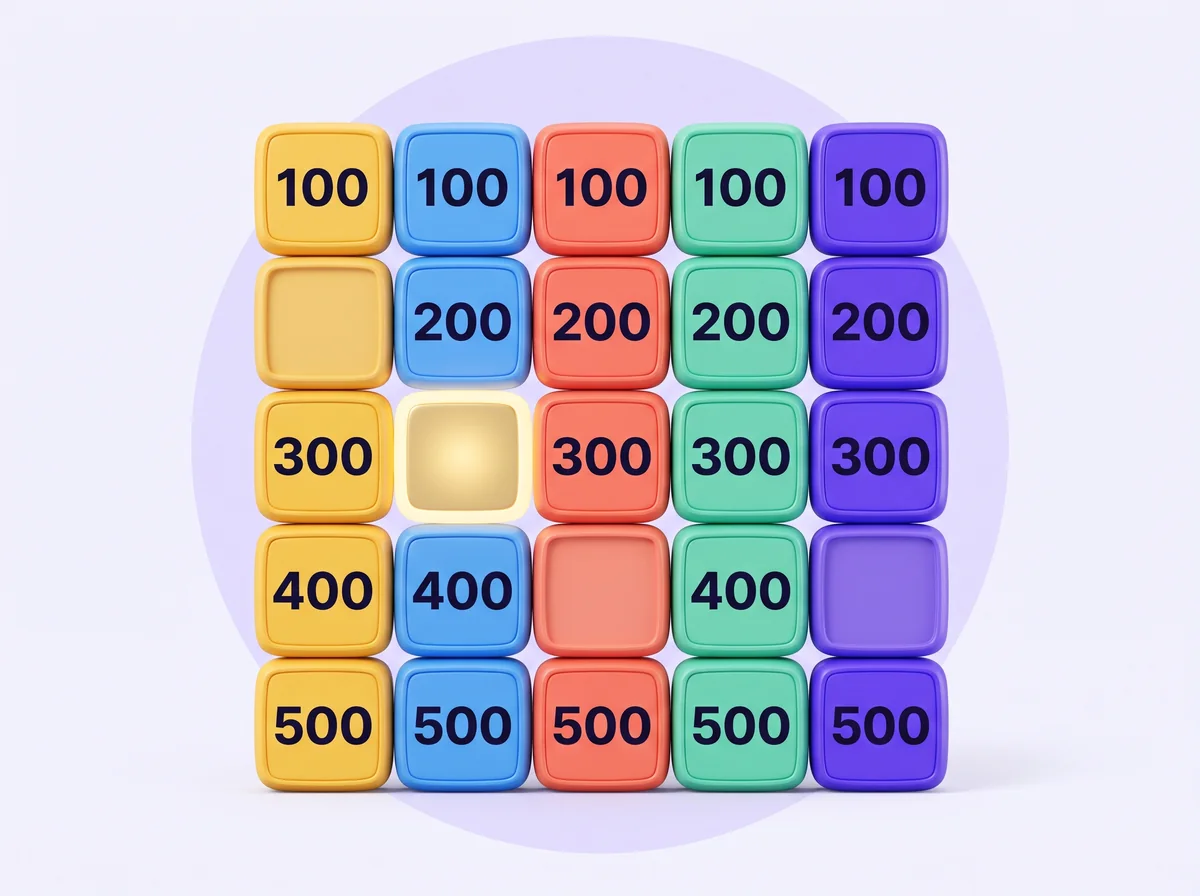 Табло5 теми по 5 въпроса, от 100 до 500 точки. Отборите избират поле, едно поле крие двойна стойност.Безплатно
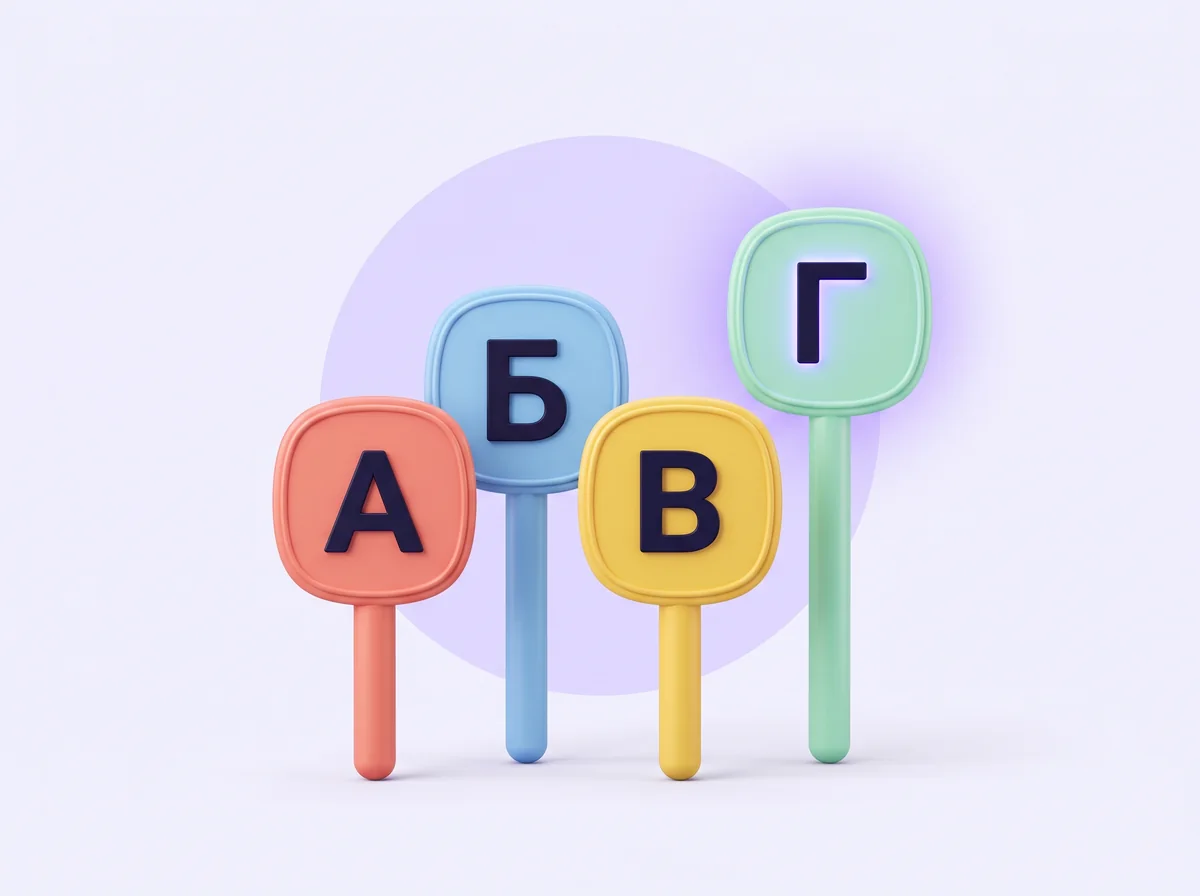 Отборен тест А/Б/В/ГВъпрос с четири отговора и таймер. Всеки отбор вдига карта с буква.Пусни на проектора
 НадбягванеВсеки отбор има писта. Верният отговор движи колата напред, трудният въпрос дава турбо.Пусни на проектора
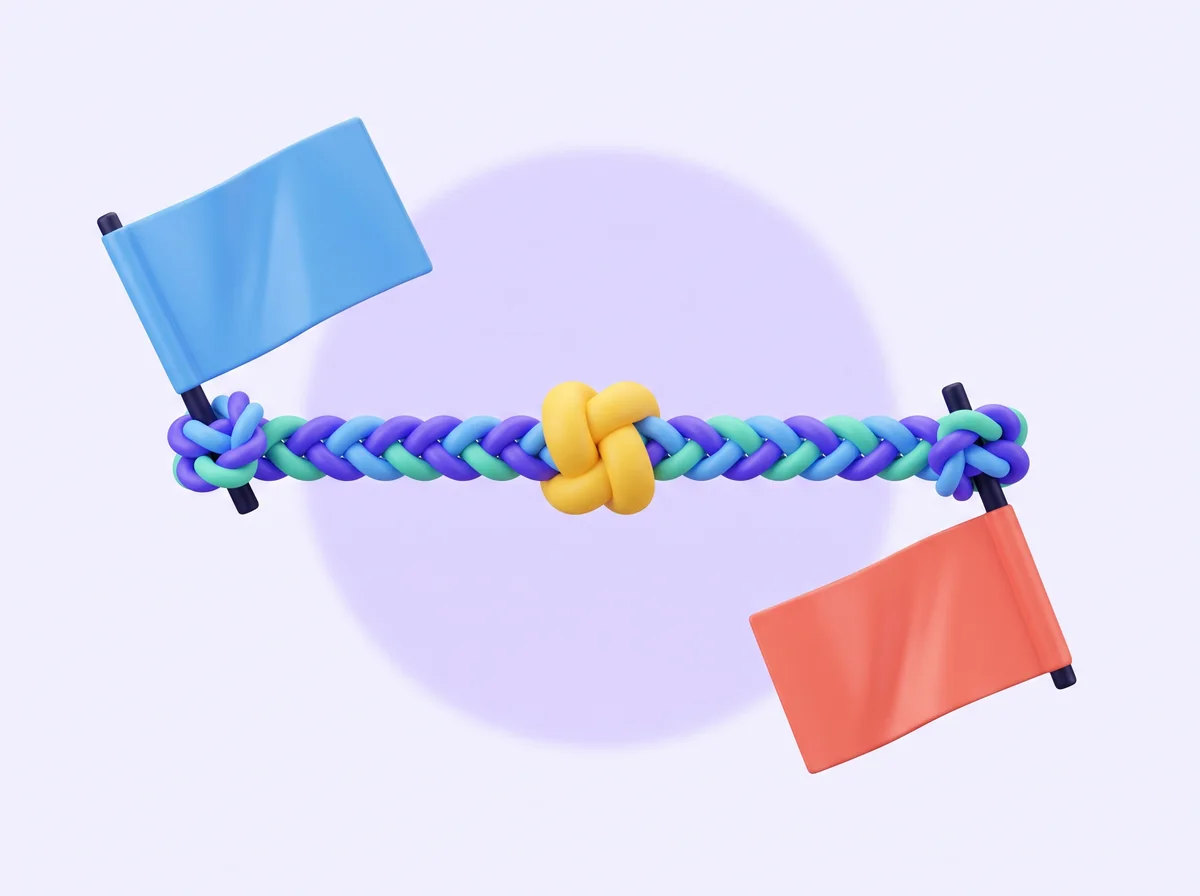 Теглене на въжеДва отбора един срещу друг. Всеки верен отговор дърпа въжето към твоя отбор.Пусни на проектора
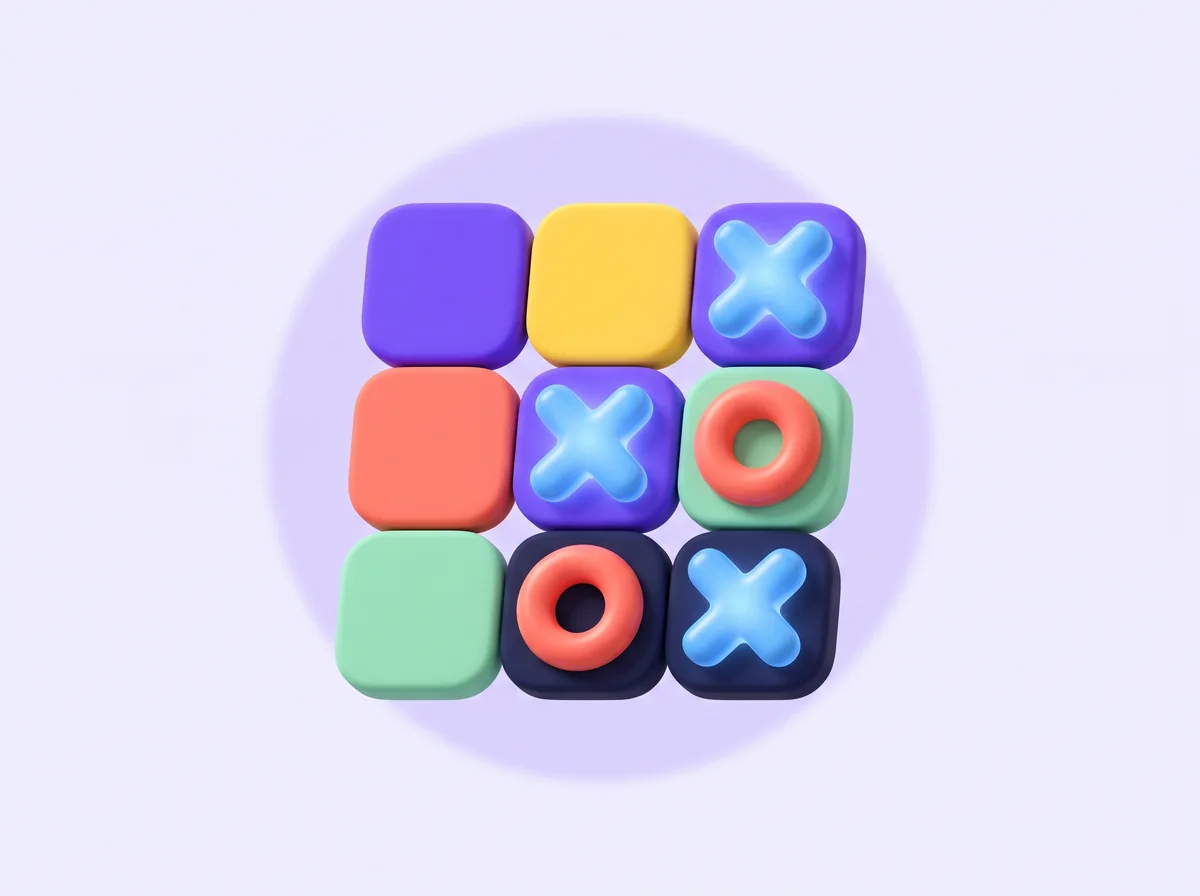 Морски шахХ срещу О на поле 3 на 3. За да заемеш квадрат, трябва да отговориш на въпроса в него.Пусни на проектора
 БомбаБомбата с неизвестен фитил минава от отбор на отбор при верен отговор. Не я задържай!Пусни на проектора
 КолелотоЗавъртете колелото: то избира темата и наградата. Понякога носи бонус, понякога взима хода.Пусни на проектора
Целият клас
Всички играят заедно или един по един пред класа. Ескейп стаяПет заключени врати и часовник. Всяка решена врата дава цифра от кода за изход.Пусни на проектора
 Милионер15 въпроса с нарастваща трудност, три жокера и сигурни суми.Пусни на проектора
 Горещ столЕдин ученик, 60 секунди и колкото може повече верни отговори. Класът следи класацията.Пусни на проектора
 БингоРазпечатайте картите. Учителят чете въпросите, учениците зачеркват отговорите.Пусни на проектора
 Вярно или невярноБързи твърдения. Класът гласува с палец нагоре или надолу.Безплатно
Думи и понятия
Ключовите понятия от темата: познай, свържи, запомни. КръстословицаКръстословица от 10 ключови понятия. Решавате на екрана или я разпечатвате.Пусни на проектора
 БесеницаПознайте понятието буква по буква, преди да свършат опитите.Пусни на проектора
 Тайният обектТри подсказки от трудна към лесна. Колкото по-рано познаеш, толкова повече точки.Пусни на проектора
 МемориОбърнати карти с въпроси и отговори. Намерете двойките и запомнете къде са.Пусни на проектора
 Свържи двойкитеШест въпроса и шест отговора, разбъркани. Отборите ги свързват на ред.Пусни на проектора
Мислене
Подреждане и откриване на грешки: разбиране, не наизуст.
Уроци в темата
Кратко обяснение, най-важното за запомняне и въпроси за всеки урок от учебната програма.
Въпроси и отговори: Взаимоотношения и общуване
Всички въпроси от комплекта по английски език за 10 клас. Натиснете въпроса, за да видите верния отговор и обяснението. Удобно за преговор преди контролно и за подготовка у дома.
Общуване
When you ___ your head in the UK, it usually means 'yes'.
- shake
- nod
- wave
- shrug
Отговор: nod
Кимване (nod) във Великобритания означава 'да'.
Which gesture usually means 'hello' or 'goodbye'?
- nodding
- frowning
- waving your hand
- shrugging
Отговор: waving your hand
Махане с ръка (waving) е поздрав.
When you ___ your shoulders, it usually means 'I don't know'.
- shrug
- nod
- wink
- bow
Отговор: shrug
Shrug: повдигам рамене в знак на незнание или безразличие.
Keeping eye ___ shows that you are listening.
- contact
- touch
- look
- sight
Отговор: contact
Eye contact е зрителен контакт.
Which word describes a person who talks a lot?
- talkative
- shy
- quiet
- reserved
Отговор: talkative
Talkative означава приказлив.
Talking about unimportant things, like the weather, is called ___ talk.
- tiny
- short
- light
- small
Отговор: small
Small talk: кратък непринуден разговор на леки теми.
Body ___ includes gestures, posture and facial expressions.
- talk
- speech
- language
- words
Отговор: language
Body language е езикът на тялото.
'To break the ice' means ___.
- to end a friendship
- to argue loudly
- to send a message
- to start a conversation and help people relax
Отговор: to start a conversation and help people relax
Идиомът означава да разчупиш напрежението в началото на разговор.
Which phrase means 'to stay in contact with someone'?
- keep an eye
- keep in touch
- keep calm
- keep quiet
Отговор: keep in touch
Keep in touch: поддържам връзка с някого.
I can't ___ with my brother; we argue all the time.
- get over
- get by
- get off
- get on
Отговор: get on
Get on with someone означава да се разбираш добре с някого.
Which is the most polite way to interrupt someone?
- Stop talking, it's my turn.
- Sorry to interrupt, but could I say something?
- Be quiet and listen to me.
- You're wrong, listen.
Отговор: Sorry to interrupt, but could I say something?
Sorry to interrupt и could правят молбата учтива.
If you 'see eye to eye' with someone, you ___.
- agree with them
- look at them angrily
- can't see them well
- meet them every day
Отговор: agree with them
See eye to eye: съгласен съм, имаме еднакво мнение.
Which phrase means 'to forget what you were saying'?
- break the ice
- lose your train of thought
- hold your tongue
- get the wrong end of the stick
Отговор: lose your train of thought
Lose your train of thought: изгубваш мисълта си, докато говориш.
If someone 'gets the wrong end of the stick', they ___.
- misunderstand something
- win an argument
- tell a secret
- stop speaking to a friend
Отговор: misunderstand something
Идиомът означава да разбереш нещо погрешно.
Which phrase means 'to avoid talking about the main point'?
- hit the nail on the head
- break the ice
- beat about the bush
- speak your mind
Отговор: beat about the bush
Beat about the bush: говоря заобиколно, избягвам същественото.
-ing или инфинитив
I enjoy ___ to music.
- listen
- to listen
- listening
- listened
Отговор: listening
Enjoy + -ing форма.
I hope ___ you soon.
- seeing
- to see
- see
- saw
Отговор: to see
Hope + to + инфинитив.
I want ___ a doctor one day.
- becoming
- to become
- become
- became
Отговор: to become
След want се използва инфинитив с to.
We decided ___ a party.
- having
- to have
- have
- had
Отговор: to have
Decide + to + инфинитив.
Do you mind ___ the window?
- to open
- open
- opening
- opened
Отговор: opening
Mind + -ing форма.
She is very good at ___ problems.
- to solve
- solve
- solved
- solving
Отговор: solving
След предлог (at) глаголът е с -ing.
She avoided ___ about the problem.
- talking
- to talk
- talk
- to talking
Отговор: talking
Avoid + -ing форма.
My parents let me ___ out late on Saturdays.
- to stay
- staying
- stayed
- stay
Отговор: stay
Let + инфинитив без to.
On the way to work, he stopped ___ a coffee.
- buying
- to buy
- buy
- bought
Отговор: to buy
Stop + to: спирам, за да направя нещо (цел). Stop + -ing значи прекратявам действие.
I'll never forget ___ the Eiffel Tower for the first time.
- to see
- see
- to seeing
- seeing
Отговор: seeing
Forget + -ing се отнася за спомен от миналото.
Please remember ___ the door when you leave.
- to lock
- locking
- lock
- locked
Отговор: to lock
Remember to do: да не забравиш да направиш нещо.
I'm looking forward to ___ you next week.
- see
- to see
- saw
- seeing
Отговор: seeing
В look forward to частицата to е предлог, затова следва -ing.
He suggested ___ to the cinema.
- to go
- going
- go
- us to go
Отговор: going
Suggest + -ing форма (или suggest that we go).
I regret ___ you that your application was unsuccessful.
- informing
- to inform
- inform
- informed
Отговор: to inform
Regret to inform: официално 'с съжаление ви съобщавам'; regret + -ing е съжаление за минало действие.
The computer doesn't work. Try ___ it off and on again.
- turning
- to turn
- turn
- turned
Отговор: turning
Try + -ing: опитвам нещо като експеримент, за да видя дали ще помогне.
Конфликти и решения
When two people ___, they have an argument.
- agree
- argue
- apologise
- smile
Отговор: argue
Argue означава да се караш, спориш.
When you do something wrong, you should say '___'.
- Well done
- I'm sorry
- Cheers
- Congratulations
Отговор: I'm sorry
I'm sorry е извинение.
An angry argument between people is a ___.
- party
- present
- quarrel
- holiday
Отговор: quarrel
Quarrel: кавга, спор.
After the argument, they ___ up and became friends again.
- made
- did
- gave
- took
Отговор: made
Make up: сдобрявам се.
Which adjective describes someone who gets angry easily?
- bad-tempered
- patient
- calm
- easy-going
Отговор: bad-tempered
Bad-tempered означава избухлив.
He apologised ___ being late.
- of
- about
- for
- to
Отговор: for
Apologise for something: извинявам се за нещо.
Which word means 'an agreement where both sides accept less than they wanted'?
- conflict
- complaint
- compromise
- competition
Отговор: compromise
Compromise е компромис.
A person who helps two sides solve a conflict is a/an ___.
- competitor
- opponent
- witness
- mediator
Отговор: mediator
Mediator е посредник.
If you 'lose your temper', you ___.
- become very angry
- become very calm
- forget your keys
- lose a game
Отговор: become very angry
Lose your temper: избухвам, ядосвам се.
I fell ___ with my best friend because he told everyone my secret.
- off
- over
- down
- out
Отговор: out
Fall out with someone: скарвам се с някого.
Which phrase helps most to calm a conflict down?
- It's all your fault!
- Whatever.
- Let's talk about it calmly.
- I don't care what you think.
Отговор: Let's talk about it calmly.
Спокойният разговор помага за решаване на конфликт.
She accused him ___ lying to her.
- for
- with
- about
- of
Отговор: of
Accuse someone of something: обвинявам някого в нещо.
If I ___ you, I would apologise to her.
- am
- was being
- were
- be
Отговор: were
За съвет използваме If I were you + would.
Choose the correct sentence.
- I wish I didn't shout at him yesterday.
- I wish I hadn't shouted at him yesterday.
- I wish I haven't shouted at him yesterday.
- I wish I wouldn't shout at him yesterday.
Отговор: I wish I hadn't shouted at him yesterday.
Съжаление за минало: wish + Past Perfect.
If I had listened to you, we ___ argued.
- won't have
- wouldn't have
- didn't
- hadn't
Отговор: wouldn't have
Трето условно: if + past perfect, would have + past participle.
Междукултурно общуване
In Japan, people often greet each other by ___.
- bowing
- kissing on the cheek
- hugging
- shaking their heads
Отговор: bowing
Поклонът е традиционен поздрав в Япония.
Which greeting is common in a formal business meeting in the UK?
- a hug
- a bow
- a handshake
- a kiss on the cheek
Отговор: a handshake
Ръкостискането е обичаен официален поздрав във Великобритания.
In many countries, friends ___ each other on the cheek to say hello.
- kiss
- shake
- bow
- wave
Отговор: kiss
В много култури поздравът е целувка по бузата.
In Bulgaria, nodding the head usually means ___.
- yes
- no
- maybe
- hello
Отговор: no
В България кимането означава 'не', обратно на повечето страни.
A country where many different cultures live together is ___.
- multicultural
- multilingual
- multiple
- multicoloured
Отговор: multicultural
Multicultural означава мултикултурен.
A person who comes to live permanently in another country is a/an ___.
- tourist
- ambassador
- immigrant
- explorer
Отговор: immigrant
Immigrant: имигрант, преселник.
A fixed idea that all people from one group are the same is a ___.
- tradition
- custom
- culture
- stereotype
Отговор: stereotype
Stereotype е стереотип, опростена представа.
Being ___ means respecting opinions and customs different from yours.
- rude
- tolerant
- selfish
- jealous
Отговор: tolerant
Tolerant означава толерантен.
An unfair opinion about a group of people, formed without knowing them, is ___.
- tradition
- prejudice
- politeness
- experience
Отговор: prejudice
Prejudice: предразсъдък, предубеждение.
Feeling confused when you live in a country with a different culture is culture ___.
- shock
- crash
- surprise
- stress
Отговор: shock
Culture shock е културен шок.
The buildings, music and customs a society passes to the next generation are its cultural ___.
- history
- habit
- holiday
- heritage
Отговор: heritage
Cultural heritage е културно наследство.
When newcomers become part of the society of a new country, they ___.
- emigrate
- separate
- isolate
- integrate
Отговор: integrate
Integrate: приобщавам се, ставам част от обществото.
Which word means 'the rules of polite behaviour in a society'?
- prejudice
- etiquette
- diversity
- heritage
Отговор: etiquette
Etiquette е етикет, правила за поведение.
Which word means 'the variety of different people and cultures in a group'?
- diversity
- stereotype
- etiquette
- prejudice
Отговор: diversity
Diversity е разнообразие.
Which word means 'judging other cultures by the standards of your own'?
- tolerance
- ethnocentrism
- diversity
- hospitality
Отговор: ethnocentrism
Ethnocentrism: оценяване на чуждите култури през собствената.
Есе за и против
A for and against essay presents ___.
- only your opinion
- both sides of an issue
- a story
- a letter to a friend
Отговор: both sides of an issue
Есето за и против разглежда аргументи и от двете страни.
Which phrase introduces an argument against?
- On the other hand,
- In addition,
- Furthermore,
- Also,
Отговор: On the other hand,
On the other hand въвежда противоположна гледна точка.
Which linker introduces an example?
- However
- In conclusion
- Although
- For example
Отговор: For example
For example въвежда пример.
Which linking word introduces an opposite idea?
- Moreover
- Firstly
- However
- In addition
Отговор: However
However въвежда противопоставяне.
Which linker adds another point?
- Although
- Despite
- Nevertheless
- Furthermore
Отговор: Furthermore
Furthermore добавя още един аргумент.
Which linker introduces a result?
- Therefore
- Although
- Despite
- Firstly
Отговор: Therefore
Therefore: следователно, въвежда резултат.
Where should you give your own opinion in a for and against essay?
- in the conclusion
- in the first sentence
- in every paragraph
- in the title
Отговор: in the conclusion
Основната част е балансирана, а мнението се дава в заключението.
___ the high price, many people buy smartphones.
- Although
- Despite
- However
- Because
Отговор: Despite
Despite + съществително: Despite the high price.
What should you avoid in a formal essay?
- linking words
- paragraphs
- contractions like 'don't' and slang
- a conclusion
Отговор: contractions like 'don't' and slang
Във формалния стил се пишат пълни форми (do not) без жаргон.
Which phrase is best to begin the conclusion?
- Once upon a time,
- First of all,
- For example,
- To sum up,
Отговор: To sum up,
To sum up (в обобщение) въвежда заключението.
Which is a good topic sentence for the 'against' paragraph?
- I live in a big city.
- To sum up, cities are great.
- On the other hand, living in a big city has some disadvantages.
- Firstly, Sofia is the capital of Bulgaria.
Отговор: On the other hand, living in a big city has some disadvantages.
Тематичното изречение въвежда основната идея на абзаца.
___ some people believe uniforms are useful, others think they limit freedom.
- Despite
- However
- While
- Because of
Отговор: While
While свързва две противоположни мнения в едно изречение.
Which sentence is the most suitable for a formal essay?
- Social media is totally awesome!
- It can be argued that social media brings people closer.
- I think social media's kinda cool.
- Everybody knows social media is the best!!!
Отговор: It can be argued that social media brings people closer.
Неутрален, официален стил без разговорни думи.
___ studying abroad is expensive, it offers many opportunities.
- Although
- Despite
- However
- In spite of
Отговор: Although
Although + подчинено изречение с подлог и сказуемо.
In addition ___ cheaper, public transport is better for the environment.
- to being
- to be
- being
- for being
Отговор: to being
In addition to + -ing: освен че.
Финален въпрос
Explain the difference: 'He stopped smoking.' and 'He stopped to smoke.'
Отговор: He stopped smoking = he quit the habit; He stopped to smoke = he stopped what he was doing in order to smoke.
Stop + -ing: спирам дейност; stop + to + инфинитив: спирам, за да направя нещо.
Ключови понятия по темата
- Gesture
- Движение с ръката или главата, което предава смисъл
- Posture
- Начинът, по който държиш тялото си, докато стоиш или седиш
- Compromise
- Споразумение, при което всяка страна отстъпва малко
- Apologise
- Казвам 'съжалявам' за нещо грешно
- Stereotype
- Опростена представа, че всички от една група са еднакви
- Etiquette
- Правила за учтиво поведение в обществото
- Diversity
- Разнообразие от хора и култури в една група
- Argument
- Спор, кавга между двама души
- Conclusion
- Последната част на есе
- Mediator
- Човек, който помага на две страни да решат спор
Често задавани въпроси
Как да проведа час по темата „Взаимоотношения и общуване“ с игра?
Изберете игра от комплекта и я пуснете на проектора или интерактивната дъска. Табло е добро за преговор на целия раздел, Ескейп стая е подходяща преди контролно, а Вярно или невярно е бърза загрявка в началото на часа. Не е нужно нищо за инсталиране.
По учебната програма ли са въпросите за 10 клас?
Да. Въпросите следват учебната програма на МОН по английски език за 10 клас (първи гимназиален етап) и покриват: Общуване, -ing или инфинитив, Конфликти и решения, Междукултурно общуване, Есе за и против.
Могат ли учениците да отговарят от телефоните си?
Да. С режим „На живо“ всеки ученик влиза с код от телефона си, отговаря на въпросите и вижда класацията в реално време.
Може ли детето да упражнява темата у дома?
Да. В раздел „У дома“ детето играе със същите въпроси, събира звезди и повтаря грешките си, а родителят вижда напредъка.