Личност и взаимоотношения
76 въпроса с отговори, 10 ключови понятия и 6 задачи за мислене и 19 игри за проектора.

- 1 Тема: Личност и взаимоотношения
- 2 Изберете игра
- 3 Пуснете на проектора
Личност и взаимоотношения
Табло и Вярно или невярно са безплатни с профил. Всички игри и „На живо“: 30 дни безплатно за учители. Цени
На живо с телефониУчениците влизат с код и отговарят от телефона си. Класация в реално време.Без проектор и без телефони
Отбелязвате от своя компютър, а всеки отговор отива в профила на ученика.Отборни битки
Класът е разделен на отбори, които се състезават за точки.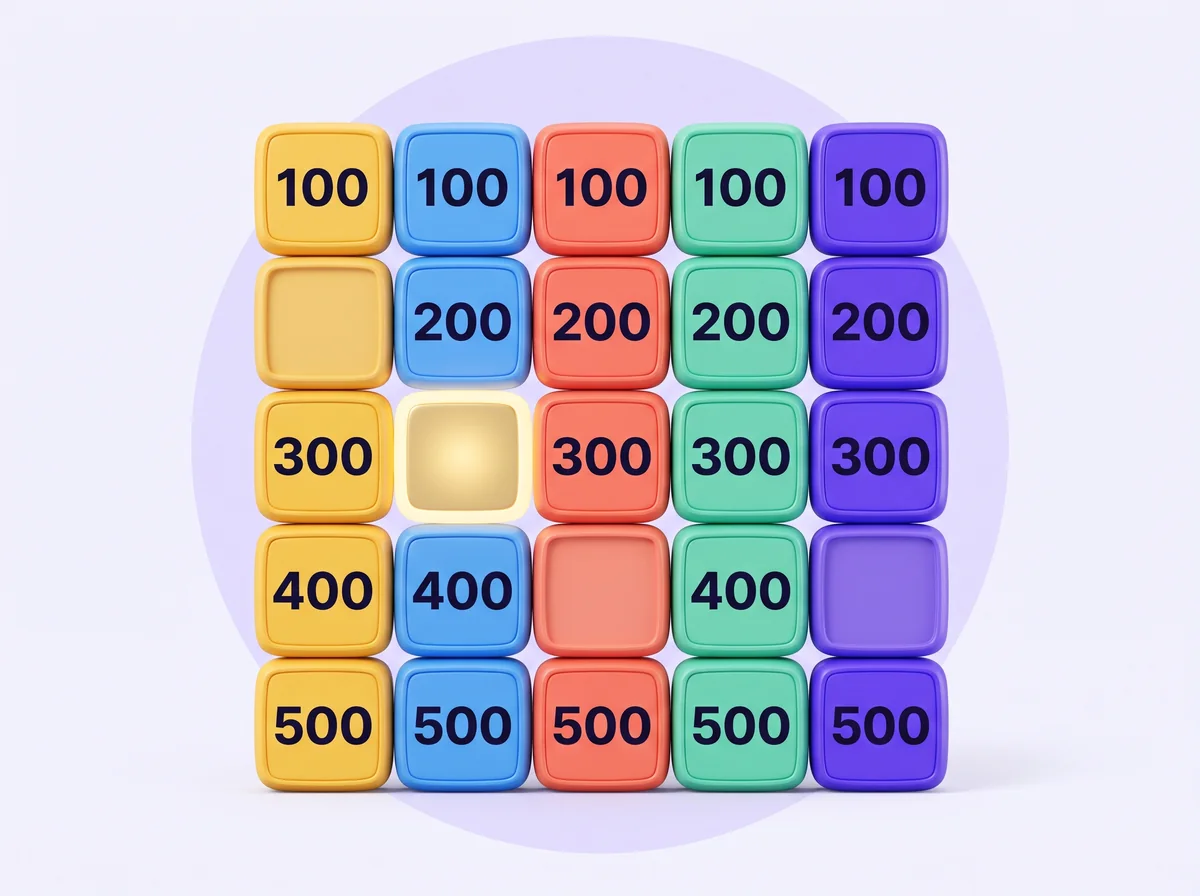 Табло5 теми по 5 въпроса, от 100 до 500 точки. Отборите избират поле, едно поле крие двойна стойност.Безплатно
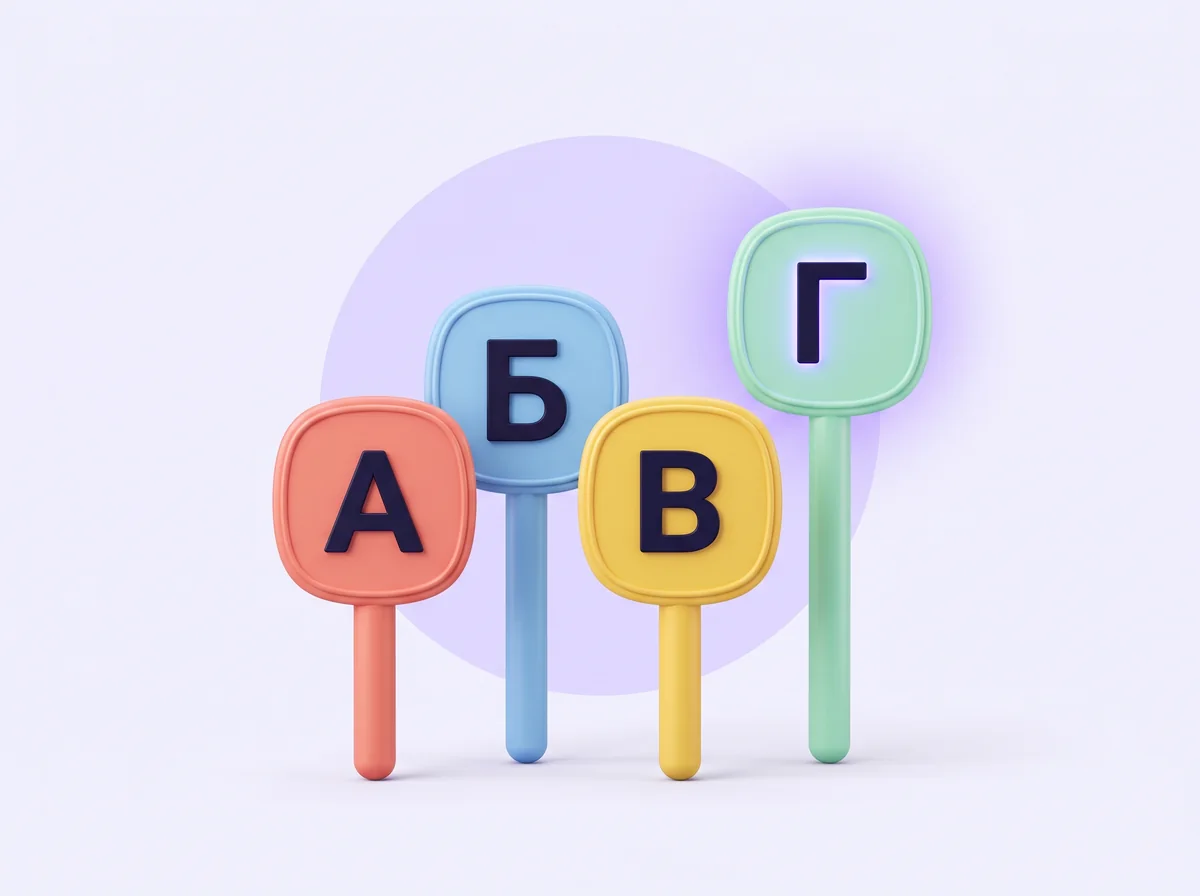 Отборен тест А/Б/В/ГВъпрос с четири отговора и таймер. Всеки отбор вдига карта с буква.Пусни на проектора
 НадбягванеВсеки отбор има писта. Верният отговор движи колата напред, трудният въпрос дава турбо.Пусни на проектора
 Теглене на въжеДва отбора един срещу друг. Всеки верен отговор дърпа въжето към твоя отбор.Пусни на проектора
 Морски шахХ срещу О на поле 3 на 3. За да заемеш квадрат, трябва да отговориш на въпроса в него.Пусни на проектора
 БомбаБомбата с неизвестен фитил минава от отбор на отбор при верен отговор. Не я задържай!Пусни на проектора
 КолелотоЗавъртете колелото: то избира темата и наградата. Понякога носи бонус, понякога взима хода.Пусни на проектора
Целият клас
Всички играят заедно или един по един пред класа. Ескейп стаяПет заключени врати и часовник. Всяка решена врата дава цифра от кода за изход.Пусни на проектора
 Милионер15 въпроса с нарастваща трудност, три жокера и сигурни суми.Пусни на проектора
 Горещ столЕдин ученик, 60 секунди и колкото може повече верни отговори. Класът следи класацията.Пусни на проектора
 БингоРазпечатайте картите. Учителят чете въпросите, учениците зачеркват отговорите.Пусни на проектора
 Вярно или невярноБързи твърдения. Класът гласува с палец нагоре или надолу.Безплатно
Думи и понятия
Ключовите понятия от темата: познай, свържи, запомни.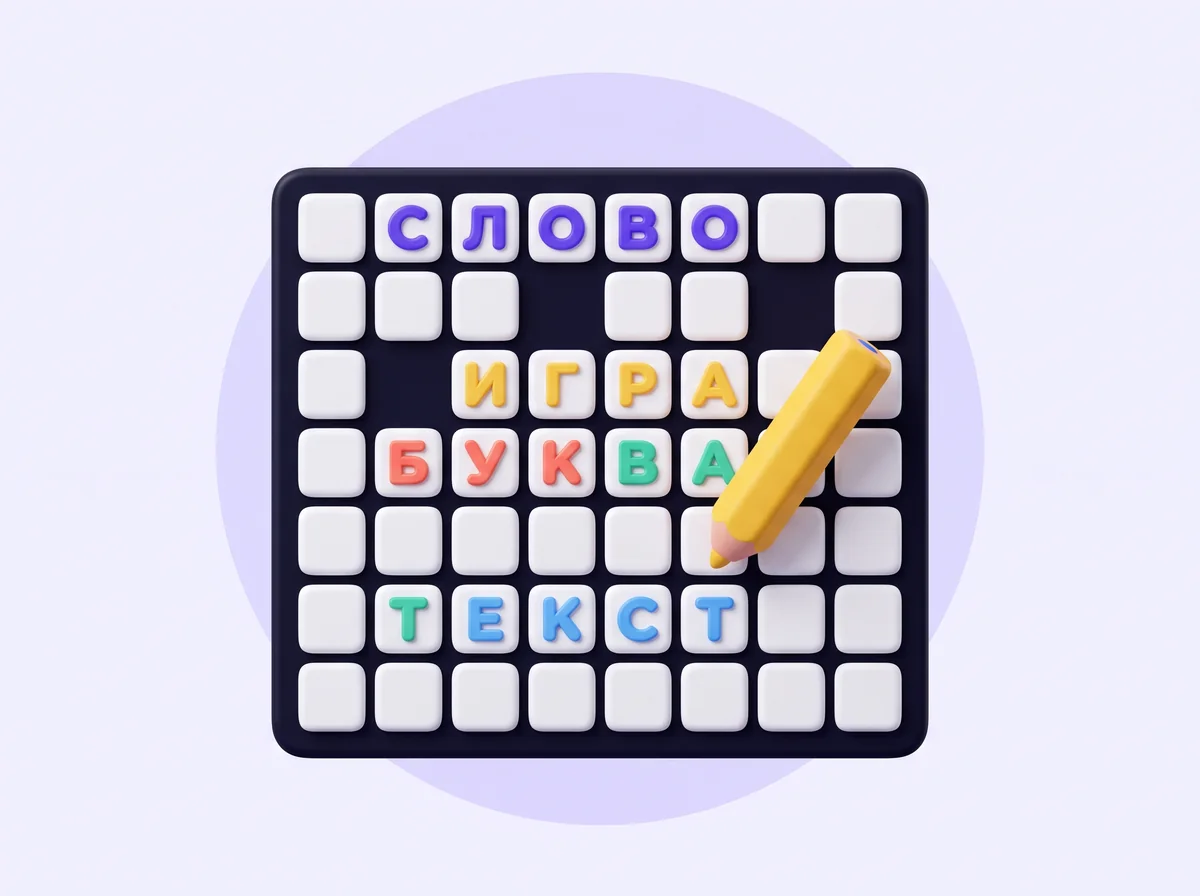 КръстословицаКръстословица от 10 ключови понятия. Решавате на екрана или я разпечатвате.Пусни на проектора
 БесеницаПознайте понятието буква по буква, преди да свършат опитите.Пусни на проектора
 Тайният обектТри подсказки от трудна към лесна. Колкото по-рано познаеш, толкова повече точки.Пусни на проектора
 МемориОбърнати карти с въпроси и отговори. Намерете двойките и запомнете къде са.Пусни на проектора
 Свържи двойкитеШест въпроса и шест отговора, разбъркани. Отборите ги свързват на ред.Пусни на проектора
Мислене
Подреждане и откриване на грешки: разбиране, не наизуст.

Уроци в темата
Кратко обяснение, най-важното за запомняне и въпроси за всеки урок от учебната програма.
Въпроси и отговори: Личност и взаимоотношения
Всички въпроси от комплекта по английски език за 8 клас. Натиснете въпроса, за да видите верния отговор и обяснението. Удобно за преговор преди контролно и за подготовка у дома.
Describing people
Which word describes hair?
- tall
- slim
- friendly
- curly
Отговор: curly
Curly (къдрава) описва коса; tall и slim описват тялото, friendly описва характера.
Which word describes height?
- short
- blonde
- curly
- cheerful
Отговор: short
Short (нисък) описва ръст.
Which word describes a person's age?
- middle-aged
- curly
- tall
- slim
Отговор: middle-aged
Middle-aged означава на средна възраст (около 40-60 години).
What is the opposite of 'generous'?
- mean
- kind
- polite
- honest
Отговор: mean
Generous (щедър) е противоположно на mean (стиснат).
Someone who likes meeting new people and talking is ___.
- shy
- lazy
- mean
- outgoing
Отговор: outgoing
Outgoing означава общителен.
Someone who is always on time and keeps their promises is ___.
- lazy
- reliable
- rude
- selfish
Отговор: reliable
Reliable означава надежден, на когото може да се разчита.
'What does she look like?' This question asks about her ___.
- personality
- hobbies
- appearance
- job
Отговор: appearance
What does she look like? пита за външния вид.
'What is he like?' This question asks about his ___.
- height only
- personality
- clothes
- age
Отговор: personality
What is he like? пита какъв е човекът като характер.
What is the opposite of 'shy'?
- quiet
- nervous
- confident
- polite
Отговор: confident
Shy (срамежлив) е противоположно на confident (уверен).
She has got ___ hair.
- dark long straight
- long straight dark
- straight dark long
- dark straight long
Отговор: long straight dark
Редът на прилагателните е: размер/дължина, форма, цвят.
'A girl with blue eyes' is a/an ___ girl.
- blue-eye
- blue-eyes
- blue-eyed
- eyed-blue
Отговор: blue-eyed
Сложни прилагателни: прилагателно + съществително + -ed: blue-eyed, long-haired.
Which word describes someone's body build?
- well-built
- freckled
- bald
- wavy
Отговор: well-built
Well-built означава едър, със здраво телосложение; bald е за коса, freckled за кожа.
'Tom never changes his mind, even when he is wrong.' Tom is ___.
- easy-going
- stubborn
- sensitive
- outgoing
Отговор: stubborn
Stubborn (упорит, инат) е човек, който не променя мнението си.
Which adjective is negative?
- confident
- patient
- arrogant
- reliable
Отговор: arrogant
Arrogant (арогантен, надменен) е отрицателна черта.
'She always thinks about other people's feelings.' She is ___.
- considerable
- confident
- competitive
- considerate
Отговор: considerate
Considerate означава внимателен към другите; considerable означава значителен.
Present tenses
She ___ to school every day.
- go
- is going
- going
- goes
Отговор: goes
Every day е навик, затова Present Simple; с she глаголът е с -es.
Which time expression is used with the Present Continuous?
- usually
- every day
- often
- now
Отговор: now
Now (сега) е типичен маркер за Present Continuous.
We ___ English on Mondays and Wednesdays.
- having
- has
- have
- are have
Отговор: have
Present Simple за повтарящо се действие; с we: have.
Look! The children ___ in the garden.
- are playing
- play
- plays
- played
Отговор: are playing
Look! показва действие в момента, затова Present Continuous.
He ___ like coffee.
- doesn't
- don't
- isn't
- not
Отговор: doesn't
Отрицание в Present Simple за he/she/it: doesn't + основна форма.
Be quiet! The baby ___.
- sleeps
- is sleeping
- sleep
- sleeping
Отговор: is sleeping
Be quiet! показва, че действието става в момента: Present Continuous.
___ your brother work in a bank?
- Do
- Is
- Are
- Does
Отговор: Does
Въпрос в Present Simple за 3 л. ед. ч.: Does + подлог + основна форма.
What is the -ing form of 'swim'?
- swimming
- swiming
- swimeing
- swimms
Отговор: swimming
При кратък глагол с гласна + съгласна удвояваме съгласната: swimming.
How often ___ you go to the cinema?
- do
- are
- does
- is
Отговор: do
How often пита за навик, затова Present Simple: do you go.
I usually walk to school, but this week I ___ the bus because my leg hurts.
- take
- takes
- am taking
- taking
Отговор: am taking
This week показва временна ситуация, затова Present Continuous.
My parents ___ in a hospital. They are doctors.
- works
- are work
- work
- working
Отговор: work
Постоянна работа е в Present Simple; с they глаголът е без -s.
My sister ___ always ___ my clothes! It's so annoying.
- does / borrow
- has / borrow
- was / borrows
- is / borrowing
Отговор: is / borrowing
Always + Present Continuous изразява дразнене от повтарящо се действие.
Which sentence about a scientific fact is correct?
- Water boil at 100 degrees Celsius.
- Water boils at 100 degrees Celsius.
- Water is boil at 100 degrees Celsius.
- Water boiling at 100 degrees Celsius.
Отговор: Water boils at 100 degrees Celsius.
Общовалидни факти са в Present Simple: water (то) boils.
Which sentence describes a temporary situation?
- I live in Sofia.
- I'm staying with my aunt this month.
- She teaches English.
- The sun rises in the east.
Отговор: I'm staying with my aunt this month.
Временната ситуация (this month) се изразява с Present Continuous.
Which sentence about the train is correct?
- The train is leaving at 6:30 every day.
- The train leaves at 6:30 tomorrow.
- The train leave at 6:30 tomorrow.
- The train is leave at 6:30 tomorrow.
Отговор: The train leaves at 6:30 tomorrow.
За разписания, дори в бъдеще, използваме Present Simple.
Family and friends
Your mother's brother is your ___.
- cousin
- nephew
- grandfather
- uncle
Отговор: uncle
Братът на майка ти е твой вуйчо (uncle).
Your father's father is your ___.
- uncle
- father-in-law
- grandfather
- great-uncle
Отговор: grandfather
Бащата на баща ти е твой дядо (grandfather).
Two babies born to the same mother at the same time are ___.
- cousins
- twins
- nephews
- neighbours
Отговор: twins
Twins са близнаци.
Your aunt's daughter is your ___.
- niece
- sister
- aunt
- cousin
Отговор: cousin
Децата на леля ти или чичо ти са твои братовчеди (cousins).
Your brother's son is your ___.
- niece
- cousin
- grandson
- nephew
Отговор: nephew
Синът на брат ти или сестра ти е твой племенник (nephew).
A friend you have known for a long time and trust a lot is a ___ friend.
- close
- far
- short
- near
Отговор: close
Close friend е близък приятел.
I ___ well with my sister. We never argue.
- get on
- get up
- get off
- get in
Отговор: get on
Get on (well) with someone означава разбирам се добре с някого.
Someone you know but who is not a close friend is ___.
- a relative
- a twin
- a stepbrother
- an acquaintance
Отговор: an acquaintance
Acquaintance означава познат.
An 'only child' is someone who ___.
- has one parent
- has no brothers or sisters
- is the youngest
- lives alone
Отговор: has no brothers or sisters
Only child е единствено дете, без братя и сестри.
Your husband's or wife's mother is your ___.
- stepmother
- grandmother
- mother-in-law
- godmother
Отговор: mother-in-law
Майката на съпруга или съпругата е свекърва или тъща (mother-in-law).
If your father marries again, his new wife is your ___.
- mother-in-law
- stepmother
- half-sister
- godmother
Отговор: stepmother
Новата съпруга на баща ти е твоя мащеха (stepmother).
My parents ___ me up to be honest.
- grew
- took
- looked
- brought
Отговор: brought
Bring up означава отглеждам и възпитавам дете.
'We fell out last week.' What does 'fall out' mean here?
- to fall down
- to stop being friends after an argument
- to make new friends
- to go out together
Отговор: to stop being friends after an argument
Fall out with someone означава да се скараш с някого.
I ___ my grandmother. We are both very calm and patient.
- take after
- look after
- take off
- look for
Отговор: take after
Take after someone означава да приличаш на по-възрастен роднина.
'I can always count on my best friend.' What does 'count on' mean here?
- calculate
- argue with
- rely on
- look for
Отговор: rely on
Count on someone означава разчитам на някого.
Stative verbs
Which verb is a stative verb?
- run
- write
- know
- jump
Отговор: know
Know изразява състояние (знание), а не действие.
Which verb is NOT usually used in the continuous form?
- play
- read
- believe
- cook
Отговор: believe
Believe изразява мнение (състояние), затова обикновено не е в Continuous.
I ___ chocolate ice cream.
- am loving
- love
- loving
- am love
Отговор: love
Love е глагол за състояние и обикновено е в Present Simple.
Which sentence with 'like' is correct?
- I like this song.
- I'm liking this song.
- I likes this song.
- I am like this song.
Отговор: I like this song.
Like е глагол за състояние и обикновено не се използва в Continuous.
I ___ what you mean.
- am understanding
- understands
- understanding
- understand
Отговор: understand
Understand е глагол за състояние, затова Present Simple.
I ___ a new pair of trainers.
- need
- am needing
- needs
- needing
Отговор: need
Need е глагол за състояние, не се ползва в продължително време.
This cake ___ delicious!
- is tasting
- tastes
- taste
- tasting
Отговор: tastes
Taste в значение 'има вкус' е глагол за състояние: tastes.
This bag ___ to my sister.
- is belonging
- belongs
- belong
- belonging
Отговор: belongs
Belong (принадлежа) е глагол за състояние: this bag belongs.
How much ___ this jacket ___?
- is / costing
- does / cost
- do / cost
- is / cost
Отговор: does / cost
Cost е глагол за състояние: How much does it cost?
Which sentence with 'think' is correct?
- I'm thinking you are right.
- I thinks you are right.
- I am think you are right.
- I think you are right.
Отговор: I think you are right.
Think в значение 'мисля, смятам' (мнение) е глагол за състояние.
Which question with 'remember' is correct?
- Are you remembering his name?
- Does you remember his name?
- Do you remember his name?
- Do you remembering his name?
Отговор: Do you remember his name?
Remember е глагол за състояние; въпросът е с Do + you + основна форма.
Which sentence with 'weigh' is correct?
- This bag is weighing 5 kilos.
- The shop assistant is weighing the apples.
- I am weighing 60 kilos.
- The box is weighing a lot.
Отговор: The shop assistant is weighing the apples.
Когато weigh е действие (премервам), може да е в Continuous; за тегло е Present Simple.
Which sentence with 'have' is correct?
- We're having a big house.
- She's having two brothers.
- We're having dinner now.
- I'm having a new phone.
Отговор: We're having dinner now.
Have в значение 'ям, пия' е действие и може в Continuous; в значение 'притежавам' не може.
In which sentence is 'see' an action, so the Present Continuous is correct?
- I'm seeing the doctor tomorrow.
- I'm seeing a bird in the tree.
- I'm seeing what you mean.
- I'm seeing the problem now.
Отговор: I'm seeing the doctor tomorrow.
See в значение 'срещам се с' е действие; в значение 'виждам, разбирам' е състояние.
Which sentence with 'be' is correct?
- He's being tall.
- She's being 15 years old.
- He's being very rude today.
- They're being from Spain.
Отговор: He's being very rude today.
Be в Continuous показва временно поведение: днес се държи грубо.
Informal email
Which greeting is informal?
- Dear Sir or Madam,
- Hi Kate,
- To whom it may concern,
- Dear Mr Brown,
Отговор: Hi Kate,
Hi + малко име е неформален поздрав.
In an informal email we often use ___.
- contractions like I'm and it's
- very long formal words
- Yours faithfully
- Dear Sir
Отговор: contractions like I'm and it's
Съкратените форми са типични за неформалния стил.
Which question is good near the start of an email to a friend?
- How are you?
- Yours faithfully
- Dear Sir,
- To whom it may concern
Отговор: How are you?
How are you? е типичен неформален въпрос в началото.
Which ending is best for an email to a friend?
- Love, Maria
- Yours faithfully, Maria
- Yours sincerely, Maria
- Regards, Ms Maria Ivanova
Отговор: Love, Maria
Love, Best wishes, See you soon са неформални завършеци.
We use 'Guess what?' in an email to ___.
- say goodbye
- ask for money
- give an address
- introduce exciting news
Отговор: introduce exciting news
Guess what? (Познай какво!) въвежда интересна новина.
What do we write to add something after our name at the end of an email?
- Re:
- P.S.
- CV
- e.g.
Отговор: P.S.
P.S. (postscript) добавя мисъл след подписа.
Which is a good opening for an informal email?
- I am writing to complain about your service.
- Thanks for your email. It was great to hear from you!
- I would like to apply for the job.
- Please find attached the document.
Отговор: Thanks for your email. It was great to hear from you!
В неформален имейл често започваме с благодарност за писмото на приятеля.
Which is the best subject line for an email to a friend?
- Job application
- Complaint about order 2451
- News from my holiday!
- Official request
Отговор: News from my holiday!
Темата на неформален имейл е кратка и лична.
Which phrase is good for giving a suggestion to a friend?
- I hereby inform you...
- Please be advised...
- Why don't you join a club?
- I am writing to complain...
Отговор: Why don't you join a club?
Why don't you...? е неформален начин да предложиш нещо.
Which phrase do we often write just before the ending of an informal email?
- Dear Anna,
- Hi there!
- To whom it may concern,
- Write back soon!
Отговор: Write back soon!
Write back soon! е покана да отговори и стои преди сбогуването.
Where do we usually write 'Give my love to your family'?
- in the subject line
- near the end of the email
- as the first sentence
- in the greeting
Отговор: near the end of the email
Поздравите към семейството обикновено са накрая, преди подписа.
Which linking word is the most informal?
- however
- nevertheless
- furthermore
- but
Отговор: but
But е разговорно, а however, nevertheless и furthermore са по-официални.
Which is the informal version of 'I apologise for not writing earlier'?
- I regret not having informed you.
- Please accept my apologies.
- Sorry I haven't written for ages.
- We are sorry for any inconvenience.
Отговор: Sorry I haven't written for ages.
Sorry + съкратени форми и for ages звучат неформално.
Which sentence is too formal for an email to a friend?
- Can't wait to see you!
- Let me know what you think.
- I would be grateful if you could reply at your earliest convenience.
- Hope you're well.
Отговор: I would be grateful if you could reply at your earliest convenience.
I would be grateful... at your earliest convenience е израз от официалните писма.
Which sentence best replies to a party invitation from a friend?
- I would like to inform you that I will attend.
- I'd love to come! See you on Saturday.
- Your invitation has been received.
- I am pleased to accept your kind offer of employment.
Отговор: I'd love to come! See you on Saturday.
Приятелският тон и съкращението I'd са подходящи за неформален отговор.
Финален въпрос
Преведи на английски: "Сестра ми има дълга къдрава коса. Тя е много дружелюбна, но понякога е упорита."
Отговор: My sister has got long curly hair. She is very friendly, but sometimes she is stubborn.
Редът на прилагателните е дължина, после форма (long curly hair); за притежание използваме has got, а за характер: friendly, stubborn.
Ключови понятия по темата
- Curly
- Hair that is not straight but has many curves
- Honest
- A person who always tells the truth
- Stubborn
- A person who never changes their mind
- Outgoing
- A person who enjoys meeting new people
- Generous
- A person who likes giving things to others
- Cousin
- The son or daughter of your aunt or uncle
- Nephew
- The son of your brother or sister
- Uncle
- The brother of your mother or father
- Believe
- A stative verb: to think that something is true
- Greeting
- The first words of a letter, like 'Hi Kate,'
Често задавани въпроси
Как да проведа час по темата „Личност и взаимоотношения“ с игра?
Изберете игра от комплекта и я пуснете на проектора или интерактивната дъска. Табло е добро за преговор на целия раздел, Ескейп стая е подходяща преди контролно, а Вярно или невярно е бърза загрявка в началото на часа. Не е нужно нищо за инсталиране.
По учебната програма ли са въпросите за 8 клас?
Да. Въпросите следват учебната програма на МОН по английски език за 8 клас (първи гимназиален етап) и покриват: Describing people, Present tenses, Family and friends, Stative verbs, Informal email.
Могат ли учениците да отговарят от телефоните си?
Да. С режим „На живо“ всеки ученик влиза с код от телефона си, отговаря на въпросите и вижда класацията в реално време.
Може ли детето да упражнява темата у дома?
Да. В раздел „У дома“ детето играе със същите въпроси, събира звезди и повтаря грешките си, а родителят вижда напредъка.