Минали събития
76 въпроса с отговори, 10 ключови понятия и 6 задачи за мислене и 19 игри за проектора.

- 1 Тема: Минали събития
- 2 Изберете игра
- 3 Пуснете на проектора
Минали събития
Табло и Вярно или невярно са безплатни с профил. Всички игри и „На живо“: 30 дни безплатно за учители. Цени
На живо с телефониУчениците влизат с код и отговарят от телефона си. Класация в реално време.Без проектор и без телефони
Отбелязвате от своя компютър, а всеки отговор отива в профила на ученика.Отборни битки
Класът е разделен на отбори, които се състезават за точки.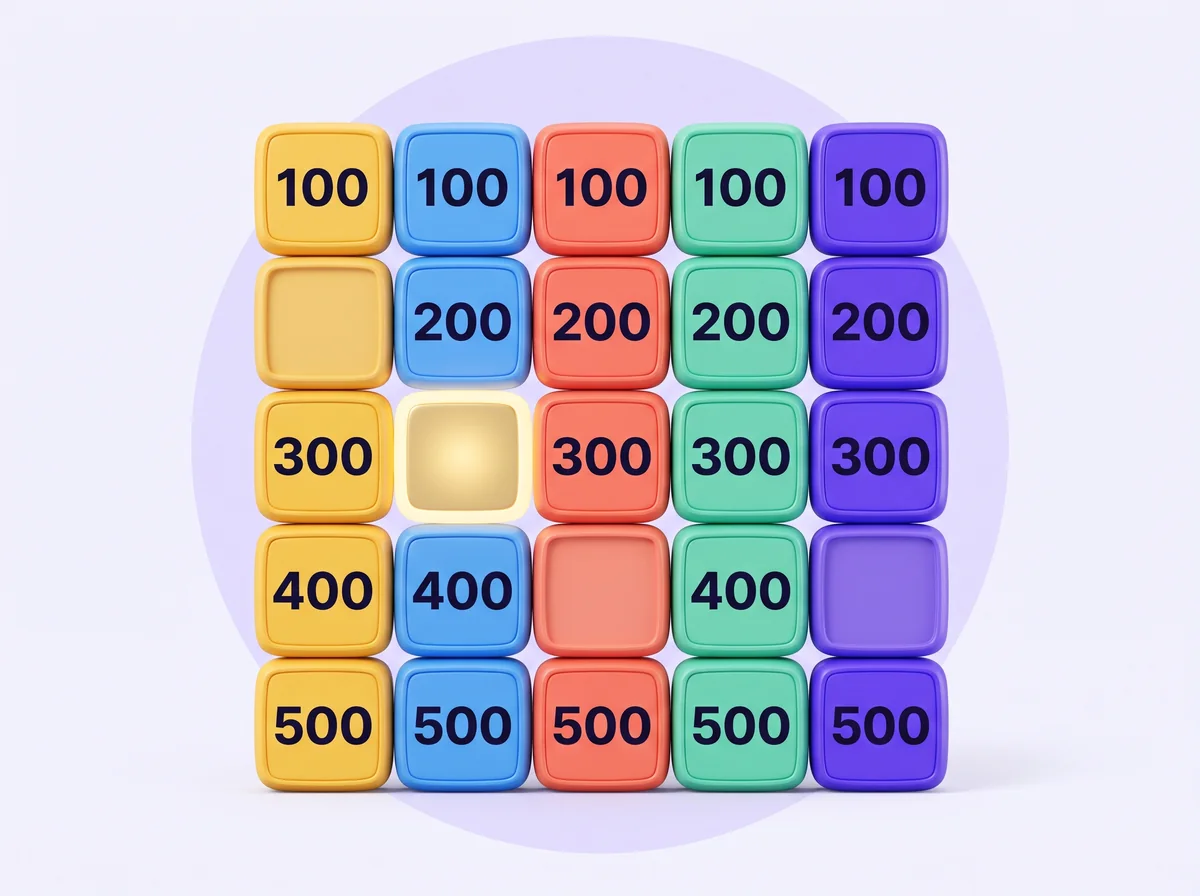 Табло5 теми по 5 въпроса, от 100 до 500 точки. Отборите избират поле, едно поле крие двойна стойност.Безплатно
 Отборен тест А/Б/В/ГВъпрос с четири отговора и таймер. Всеки отбор вдига карта с буква.Пусни на проектора
 НадбягванеВсеки отбор има писта. Верният отговор движи колата напред, трудният въпрос дава турбо.Пусни на проектора
 Теглене на въжеДва отбора един срещу друг. Всеки верен отговор дърпа въжето към твоя отбор.Пусни на проектора
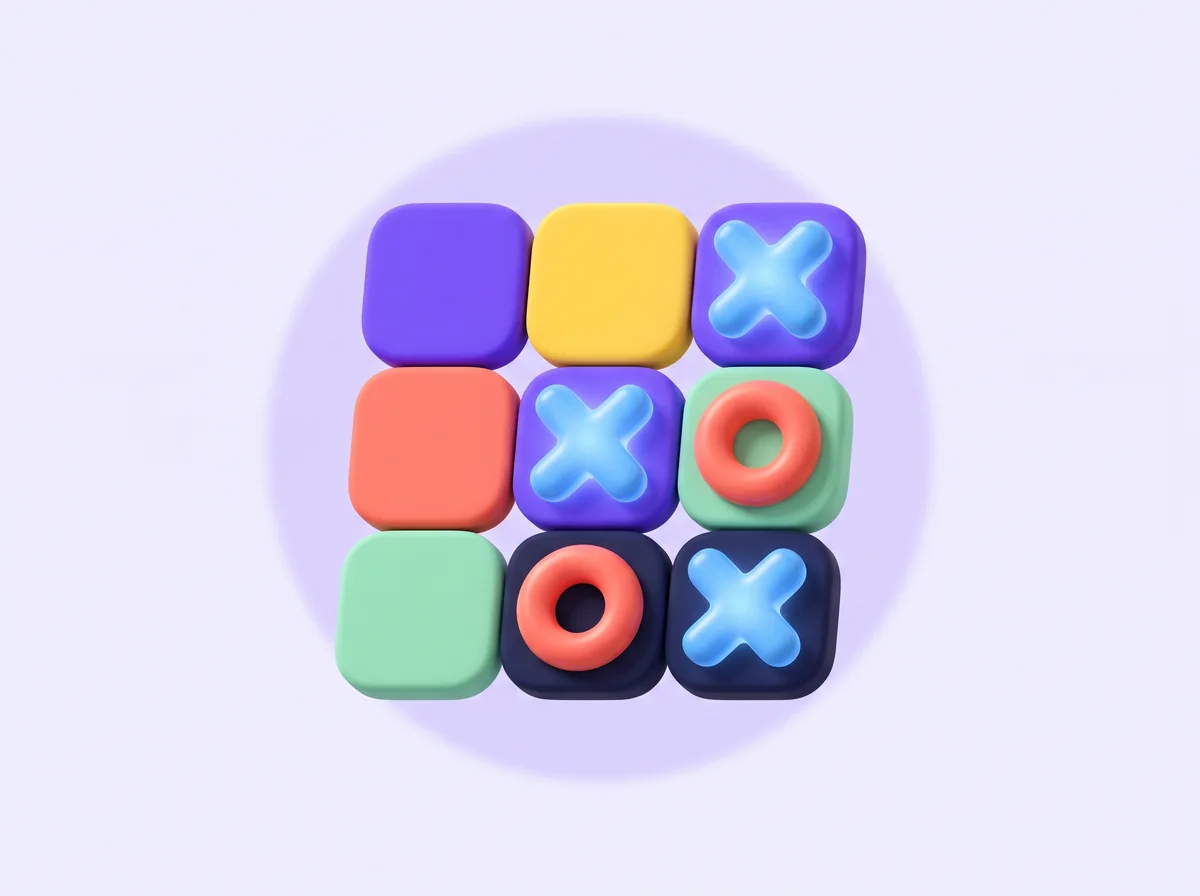 Морски шахХ срещу О на поле 3 на 3. За да заемеш квадрат, трябва да отговориш на въпроса в него.Пусни на проектора
 БомбаБомбата с неизвестен фитил минава от отбор на отбор при верен отговор. Не я задържай!Пусни на проектора
 КолелотоЗавъртете колелото: то избира темата и наградата. Понякога носи бонус, понякога взима хода.Пусни на проектора
Целият клас
Всички играят заедно или един по един пред класа. Ескейп стаяПет заключени врати и часовник. Всяка решена врата дава цифра от кода за изход.Пусни на проектора
 Милионер15 въпроса с нарастваща трудност, три жокера и сигурни суми.Пусни на проектора
 Горещ столЕдин ученик, 60 секунди и колкото може повече верни отговори. Класът следи класацията.Пусни на проектора
 БингоРазпечатайте картите. Учителят чете въпросите, учениците зачеркват отговорите.Пусни на проектора
 Вярно или невярноБързи твърдения. Класът гласува с палец нагоре или надолу.Безплатно
Думи и понятия
Ключовите понятия от темата: познай, свържи, запомни. КръстословицаКръстословица от 10 ключови понятия. Решавате на екрана или я разпечатвате.Пусни на проектора
 БесеницаПознайте понятието буква по буква, преди да свършат опитите.Пусни на проектора
 Тайният обектТри подсказки от трудна към лесна. Колкото по-рано познаеш, толкова повече точки.Пусни на проектора
 МемориОбърнати карти с въпроси и отговори. Намерете двойките и запомнете къде са.Пусни на проектора
 Свържи двойкитеШест въпроса и шест отговора, разбъркани. Отборите ги свързват на ред.Пусни на проектора
Мислене
Подреждане и откриване на грешки: разбиране, не наизуст.
Уроци в темата
Кратко обяснение, най-важното за запомняне и въпроси за всеки урок от учебната програма.
Въпроси и отговори: Минали събития
Всички въпроси от комплекта по английски език за 8 клас. Натиснете въпроса, за да видите верния отговор и обяснението. Удобно за преговор преди контролно и за подготовка у дома.
Past tenses
What is the past simple of 'buy'?
- bought
- buyed
- brought
- buying
Отговор: bought
Buy е неправилен глагол: buy, bought, bought. Brought е от bring.
What is the past simple of 'see'?
- seed
- seen
- saw
- sawed
Отговор: saw
See е неправилен глагол: see, saw, seen.
Which time expression is used with the Past Simple?
- tomorrow
- yesterday
- next week
- now
Отговор: yesterday
Yesterday (вчера) е маркер за минало време.
I ___ TV when the phone rang.
- watched
- am watching
- was watching
- were watching
Отговор: was watching
По-дългото действие в процес е в Past Continuous, а краткото, което го прекъсва, в Past Simple.
She ___ come to the party last night.
- doesn't
- didn't
- wasn't
- don't
Отговор: didn't
Отрицание в Past Simple: didn't + основна форма.
They ___ at home last weekend.
- were
- was
- are
- been
Отговор: were
С they в минало време: were.
While they ___ football, it started to rain.
- was playing
- were playing
- are playing
- play
Отговор: were playing
След while за действие в процес използваме Past Continuous; с they е were.
At 7 o'clock this morning I ___ breakfast.
- were having
- was having
- am having
- have
Отговор: was having
Действие в процес в точен момент в миналото е в Past Continuous; с I е was.
When I opened the door, the cat ___ out.
- was running
- ran
- runs
- run
Отговор: ran
Действия едно след друго в миналото са в Past Simple: opened, ran.
What ___ you doing at 8 pm yesterday?
- was
- did
- are
- were
Отговор: were
Въпрос в Past Continuous: What were you doing...?
Where ___ you go last summer?
- were
- was
- do
- did
Отговор: did
Въпрос в Past Simple: Where did you go...?
When we arrived at the cinema, the film ___ already ___.
- has / started
- was / starting
- had / started
- did / start
Отговор: had / started
Past Perfect (had + причастие) за действие преди друго минало действие.
Which sentence about lunch is correct?
- When I arrived, they were having lunch.
- When I was arriving, they had lunch at the moment.
- When I arrived, they was having lunch.
- When I arrive, they were having lunch.
Отговор: When I arrived, they were having lunch.
Краткото действие (arrived) е в Past Simple, а продължителното (were having lunch) в Past Continuous.
Which sentence shows two actions happening at the same time in the past?
- While I was cooking, my brother was cleaning.
- I cooked dinner and then I washed up.
- When the bell rang, I opened the door.
- I finished my homework and went out.
Отговор: While I was cooking, my brother was cleaning.
Две едновременни действия в процес се изразяват с Past Continuous и while.
Which sentence is NOT correct?
- I knew the answer.
- I was reading at 9 pm.
- I didn't know the answer.
- I was knowing the answer.
Отговор: I was knowing the answer.
Know е глагол за състояние и не се ползва в Past Continuous.
Used to
I ___ play with dolls when I was little.
- use to
- using to
- used to
- am used
Отговор: used to
Used to + глагол изразява минал навик, който вече не е такъв.
There ___ be a cinema here, but now it's a shop.
- uses to
- is used to
- use
- used to
Отговор: used to
Used to описва състояние в миналото, което вече не е вярно.
When I was five, I ___ to bed at 8 o'clock.
- use to go
- used to go
- used go
- using to go
Отговор: used to go
Used to + основна форма за минал навик.
He ___ like vegetables, but now he loves them.
- doesn't used to
- didn't use to
- not used to
- wasn't use to
Отговор: didn't use to
Отрицанието е didn't use to (без d, защото има did).
Which sentence means that something is NOT true now?
- I have long hair.
- I am having long hair.
- I used to have long hair.
- I've always had long hair.
Отговор: I used to have long hair.
I used to have long hair означава, че преди е имал дълга коса, а сега няма.
Which time expression often goes with 'used to'?
- tomorrow
- next year
- when I was a child
- at the moment
Отговор: when I was a child
Used to говори за миналото, затова върви с when I was a child.
___ you use to live in Plovdiv?
- Do
- Were
- Have
- Did
Отговор: Did
Въпросът е с Did + подлог + use to.
'We used to go camping every summer.' Do they go camping every summer now?
- Yes, every summer.
- Yes, every winter.
- No, probably not.
- Yes, they are camping now.
Отговор: No, probably not.
Used to показва, че навикът е в миналото и вече не е така.
Which question is correct?
- What did you used to do at weekends?
- What did you use to do at weekends?
- What used you do at weekends?
- What you used to do at weekends?
Отговор: What did you use to do at weekends?
Във въпроси след did пишем use to, без -d.
We use 'used to' to talk about ___.
- past habits and states that are not true now
- future plans
- actions happening now
- one action at an exact time in the past
Отговор: past habits and states that are not true now
Used to изразява повтарящи се действия или състояния в миналото, които вече не са факт.
Which negative sentence is correct?
- She not used to be shy.
- She didn't use to be shy.
- She doesn't used to be shy.
- She didn't use to being shy.
Отговор: She didn't use to be shy.
Отрицание: didn't use to + основна форма (be).
I ___ to London three times in 2019.
- used to go
- went
- use to go
- was used to go
Отговор: went
За точен брой пъти в миналото използваме Past Simple, не used to.
Which sentence about grandad is correct?
- My grandad used to worked on a farm.
- My grandad used to work on a farm.
- My grandad use to working on a farm.
- My grandad was used to work on a farm.
Отговор: My grandad used to work on a farm.
Used to + основна форма на глагола: used to work.
'Did you use to walk to school?' 'Yes, I ___.'
- did
- used
- use to
- was
Отговор: did
Краткият отговор повтаря помощния глагол did.
'I'm used to getting up early.' What does it mean?
- I got up early in the past, but not now.
- I want to get up early.
- I never get up early.
- Getting up early is normal for me now.
Отговор: Getting up early is normal for me now.
Be used to + -ing означава свикнал съм с нещо.
Stories
Which word means 'a person in a story'?
- ending
- setting
- title
- character
Отговор: character
Character е герой (персонаж) в историята.
The last part of a story is the ___.
- beginning
- title
- character
- ending
Отговор: ending
Ending е краят (развръзката) на историята.
The person who writes a story is the ___.
- author
- reader
- hero
- editor
Отговор: author
Author е авторът на историята.
Where and when a story happens is the ___.
- plot
- hero
- setting
- author
Отговор: setting
Setting е мястото и времето на действието.
The events of a story (what happens) are called the ___.
- setting
- author
- plot
- cover
Отговор: plot
Plot е сюжетът, поредицата от събития.
The main good character in a story is the ___.
- villain
- hero
- setting
- title
Отговор: hero
Hero е главният положителен герой; villain е злодеят.
Which word means 'very frightened'?
- delighted
- terrified
- bored
- relaxed
Отговор: terrified
Terrified означава ужасно уплашен.
Which word means 'very happy'?
- furious
- exhausted
- nervous
- delighted
Отговор: delighted
Delighted означава много доволен, радостен.
Which word means 'very tired'?
- excited
- amazed
- exhausted
- annoyed
Отговор: exhausted
Exhausted означава изтощен.
Suddenly, we ___ a strange noise.
- heard
- hear
- were hearing
- have heard
Отговор: heard
Внезапно, кратко действие в историята е в Past Simple.
She opened the door ___ so she didn't wake the baby.
- loudly
- quietly
- angrily
- noisily
Отговор: quietly
За да не събуди бебето, тя отваря вратата тихо (quietly).
Which verb means 'to move slowly and quietly so that nobody hears you'?
- rush
- march
- stamp
- creep
Отговор: creep
Creep означава промъквам се тихо.
Read: 'Jack was walking home when it started to snow. By the time he got home, he was freezing.' Why was Jack freezing?
- He walked home in the snow.
- He forgot his keys.
- He was ill.
- He took the bus home.
Отговор: He walked home in the snow.
Джак е вървял пеша, докато вали сняг, и затова е премръзнал.
Which sentence is the best start for a story?
- It was a dark and stormy night, and I was alone in the house.
- Dear Anna, thanks for your letter.
- In conclusion, I think phones are useful.
- Yours sincerely, Peter.
Отговор: It was a dark and stormy night, and I was alone in the house.
Добрият разказ започва с описание на мястото, времето и атмосферата.
Read: 'Anna had never seen the sea before, so when she finally reached the beach, she couldn't stop smiling.' How did Anna feel?
- bored
- disappointed
- excited and happy
- frightened
Отговор: excited and happy
Не можела да спре да се усмихва, защото вижда морето за пръв път.
Time linkers
First, I got up. ___, I had a shower.
- Before
- During
- Then
- While
Отговор: Then
Then (след това) въвежда следващото действие.
___ dinner, we watched a film.
- While
- Then
- Meanwhile
- After
Отговор: After
After + съществително: after dinner (след вечеря).
___ upon a time, there was a king.
- One
- Once
- Then
- After
Отговор: Once
Приказките често започват с Once upon a time (Имало едно време).
Which linker usually introduces the last event in a story?
- Finally
- First
- Then
- Next
Отговор: Finally
Finally (накрая) въвежда последното събитие.
___ I was walking to school, I met my teacher.
- While
- During
- After that
- Finally
Отговор: While
While + изречение с Past Continuous за действие в процес.
I'll call you ___ I get home.
- when
- during
- after that
- then
Отговор: when
When свързва две изречения за време.
___ the film, my phone rang.
- While
- When
- During
- As soon
Отговор: During
During се използва пред съществително (the film), а while пред изречение.
Which linker means 'at the same time, in another place'?
- Afterwards
- Firstly
- Meanwhile
- Eventually
Отговор: Meanwhile
Meanwhile (междувременно) показва, че нещо става по същото време.
We waited inside ___ the rain stopped.
- during
- while
- until
- since
Отговор: until
Until означава докато не, до момента, в който.
___ I got home, I called my friend.
- During
- Meanwhile
- Finally
- As soon as
Отговор: As soon as
As soon as (веднага щом) свързва две изречения и показва, че второто действие следва веднага.
I brushed my teeth ___ I went to bed.
- before
- during
- meanwhile
- then
Отговор: before
Before (преди) свързва двете изречения и показва реда на действията.
___ we got to the station, the train had already left.
- During
- By the time
- Meanwhile
- Until
Отговор: By the time
By the time (докато стигнем) често върви с Past Perfect.
I waited for an hour. ___, the bus arrived.
- Firstly
- Eventually
- While
- During
Отговор: Eventually
Eventually означава накрая, след дълго чакане.
Which sentence with a time linker is correct?
- While the holiday, we visited three castles.
- During the holiday, we visited three castles.
- During we were on holiday, we visited three castles.
- Meanwhile the holiday, we visited three castles.
Отговор: During the holiday, we visited three castles.
During + съществително (the holiday).
Which sentence uses 'afterwards' correctly?
- Afterwards the film, we went home.
- Afterwards I finished, I left.
- I'll call you afterwards you arrive.
- We went to the museum. Afterwards, we had dinner.
Отговор: We went to the museum. Afterwards, we had dinner.
Afterwards е наречие (след това) и не се следва от съществително или изречение.
Biographies
Who wrote 'Romeo and Juliet'?
- Charles Dickens
- William Shakespeare
- J. K. Rowling
- Mark Twain
Отговор: William Shakespeare
Пиесата 'Ромео и Жулиета' е от Уилям Шекспир.
Who painted the 'Mona Lisa'?
- Pablo Picasso
- Vincent van Gogh
- Leonardo da Vinci
- Michelangelo
Отговор: Leonardo da Vinci
'Мона Лиза' е рисувана от Леонардо да Винчи.
Who wrote the 'Harry Potter' books?
- J. K. Rowling
- Roald Dahl
- Charles Dickens
- Agatha Christie
Отговор: J. K. Rowling
Поредицата за Хари Потър е написана от Дж. К. Роулинг.
Which scientist is famous for the laws of motion and gravity (and the story of the falling apple)?
- Albert Einstein
- Charles Darwin
- Isaac Newton
- Thomas Edison
Отговор: Isaac Newton
Исак Нютон формулира законите за движението и закона за всемирното привличане.
Who was the first person in space, in 1961?
- Neil Armstrong
- Yuri Gagarin
- Valentina Tereshkova
- John Glenn
Отговор: Yuri Gagarin
Юрий Гагарин лети в космоса на 12 април 1961 г.
What do we call a book about a person's life written by another person?
- a novel
- a biography
- a diary
- an autobiography
Отговор: a biography
Biography се пише от друг автор; autobiography от самия човек.
Who was the first person to walk on the Moon, in 1969?
- Yuri Gagarin
- Neil Armstrong
- Buzz Aldrin
- Michael Collins
Отговор: Neil Armstrong
Нийл Армстронг стъпва пръв на Луната на 20 юли 1969 г. (мисия Аполо 11).
What do we call a book about a person's life written by that person?
- biography
- novel
- diary
- autobiography
Отговор: autobiography
Autobiography е книга за собствения живот; biography е написана от друг човек.
Who composed the 'Moonlight Sonata' and the Ninth Symphony?
- Mozart
- Bach
- Beethoven
- Chopin
Отговор: Beethoven
Лунната соната и Деветата симфония са на Лудвиг ван Бетховен.
Which sentence about Marie Curie is correct?
- She was born on 1867 in Warsaw.
- She born in 1867 in Warsaw.
- She is born in 1867 in Warsaw.
- She was born in 1867 in Warsaw.
Отговор: She was born in 1867 in Warsaw.
Was born + in + година. Мария Кюри е родена във Варшава през 1867 г.
Who received the first patent for the telephone, in 1876?
- Alexander Graham Bell
- Thomas Edison
- Nikola Tesla
- Guglielmo Marconi
Отговор: Alexander Graham Bell
Александър Греъм Бел патентова телефона през 1876 г.
Charles Darwin is famous for his theory of ___.
- relativity
- gravity
- electricity
- evolution
Отговор: evolution
Дарвин е автор на теорията за еволюцията чрез естествен подбор.
Marie Curie won two Nobel Prizes. In which sciences?
- physics and chemistry
- biology and medicine
- maths and physics
- chemistry and literature
Отговор: physics and chemistry
Нобелова награда за физика (1903) и за химия (1911).
Shakespeare ___ in 1616.
- has died
- died
- was dying
- dies
Отговор: died
Завършено действие с конкретна година в миналото: Past Simple.
Which Bulgarian revolutionary is called 'the Apostle of Freedom'?
- Vasil Levski
- Hristo Botev
- Georgi Rakovski
- Lyuben Karavelov
Отговор: Vasil Levski
Васил Левски, роден в Карлово през 1837 г., е наричан Апостола на свободата.
Финален въпрос
Преведи на английски: "Докато четях, токът спря. Като малък живеех на село."
Отговор: While I was reading, the electricity went off. When I was little, I used to live in a village.
Действието в процес е в Past Continuous (was reading), прекъсващото в Past Simple (went off), а миналото състояние с used to.
Ключови понятия по темата
- Character
- A person in a story, book or film
- Setting
- The place and time where a story happens
- Plot
- The events of a story
- Ending
- The last part of a story
- Meanwhile
- A linker: at the same time, somewhere else
- Eventually
- A linker: in the end, after a long time
- Finally
- A linker for the last event in a list
- Biography
- A book about a person's life written by someone else
- Terrified
- Very, very frightened
- Gravity
- The force that makes things fall to the ground
Често задавани въпроси
Как да проведа час по темата „Минали събития“ с игра?
Изберете игра от комплекта и я пуснете на проектора или интерактивната дъска. Табло е добро за преговор на целия раздел, Ескейп стая е подходяща преди контролно, а Вярно или невярно е бърза загрявка в началото на часа. Не е нужно нищо за инсталиране.
По учебната програма ли са въпросите за 8 клас?
Да. Въпросите следват учебната програма на МОН по английски език за 8 клас (първи гимназиален етап) и покриват: Past tenses, Used to, Stories, Time linkers, Biographies.
Могат ли учениците да отговарят от телефоните си?
Да. С режим „На живо“ всеки ученик влиза с код от телефона си, отговаря на въпросите и вижда класацията в реално време.
Може ли детето да упражнява темата у дома?
Да. В раздел „У дома“ детето играе със същите въпроси, събира звезди и повтаря грешките си, а родителят вижда напредъка.