Градът и обществото (Town and society)
76 въпроса с отговори, 10 ключови понятия и 6 задачи за мислене и 19 игри за проектора.

- 1 Тема: Градът и обществото (Town and society)
- 2 Изберете игра
- 3 Пуснете на проектора
Градът и обществото (Town and society)
Табло и Вярно или невярно са безплатни с профил. Всички игри и „На живо“: 30 дни безплатно за учители. Цени
На живо с телефониУчениците влизат с код и отговарят от телефона си. Класация в реално време.Без проектор и без телефони
Отбелязвате от своя компютър, а всеки отговор отива в профила на ученика.Отборни битки
Класът е разделен на отбори, които се състезават за точки.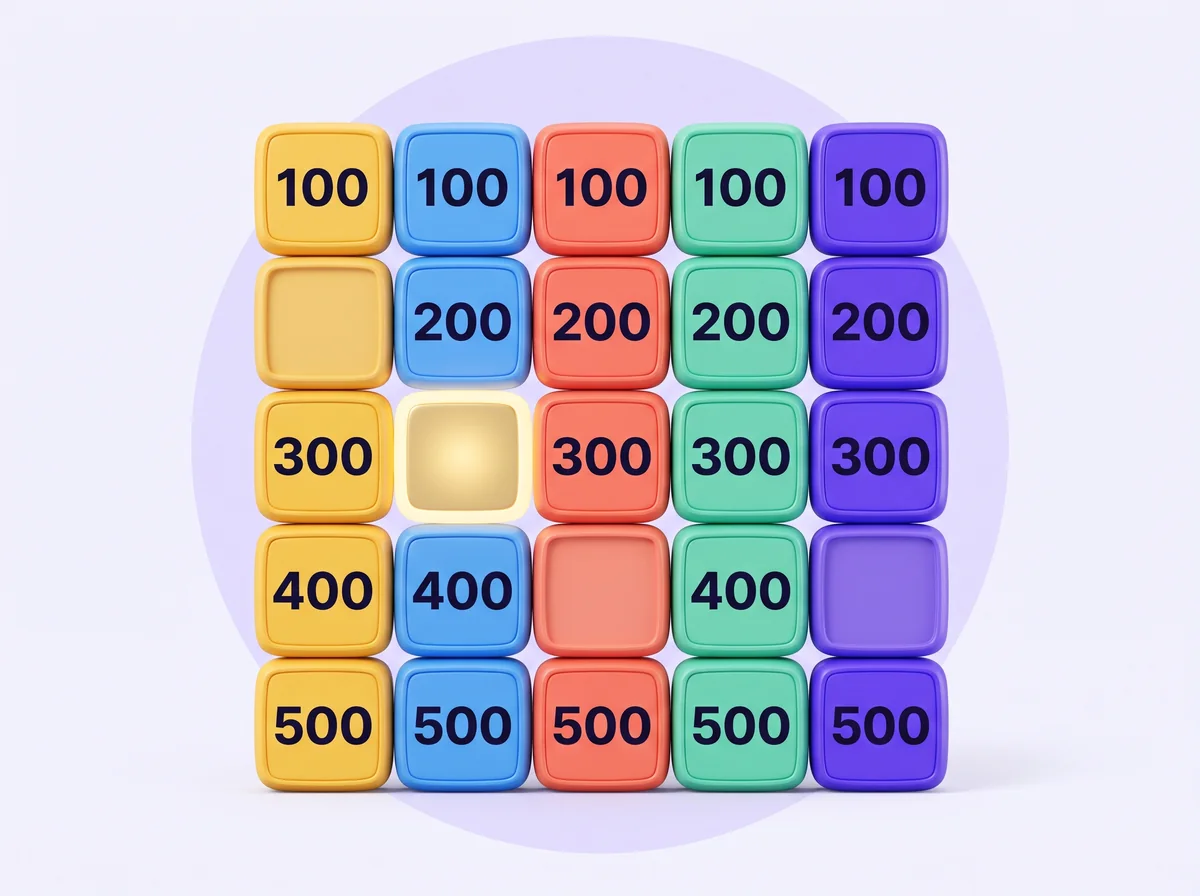 Табло5 теми по 5 въпроса, от 100 до 500 точки. Отборите избират поле, едно поле крие двойна стойност.Безплатно
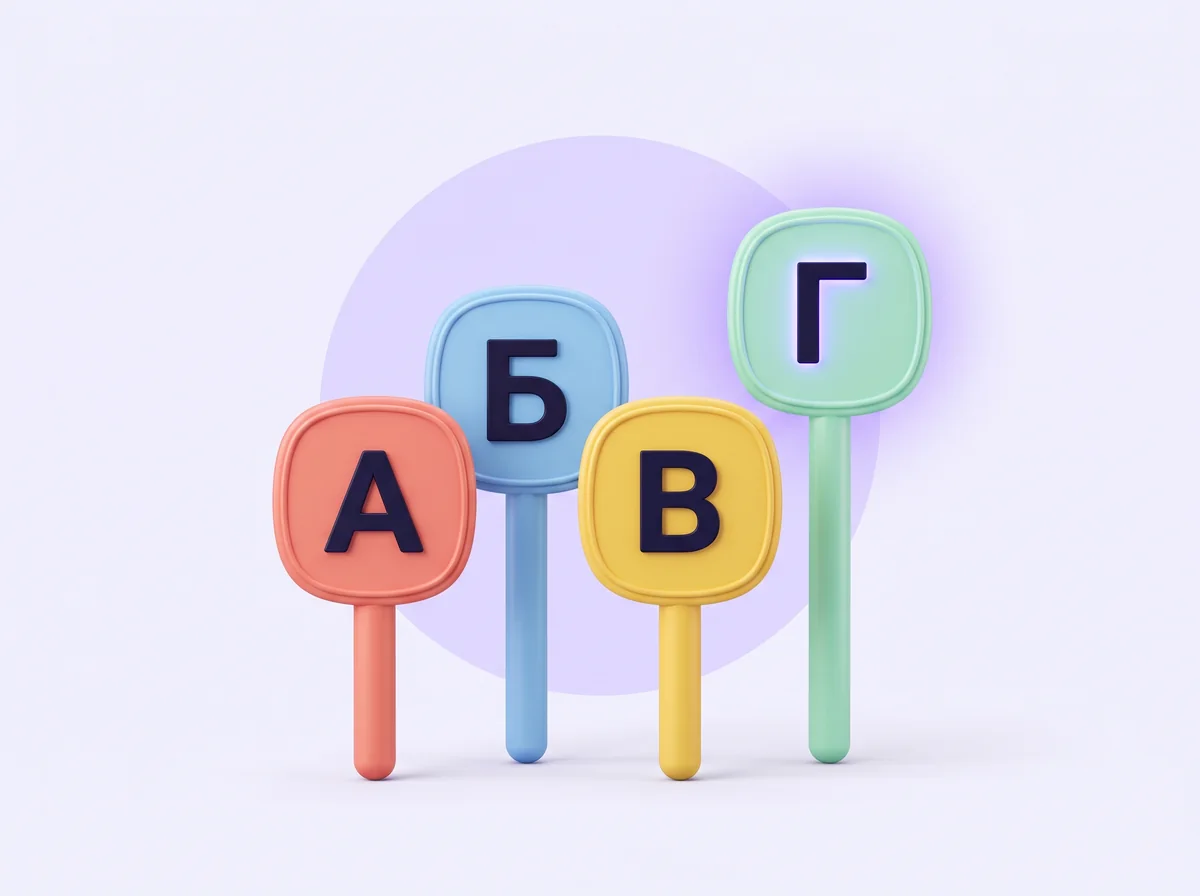 Отборен тест А/Б/В/ГВъпрос с четири отговора и таймер. Всеки отбор вдига карта с буква.Пусни на проектора
 НадбягванеВсеки отбор има писта. Верният отговор движи колата напред, трудният въпрос дава турбо.Пусни на проектора
 Теглене на въжеДва отбора един срещу друг. Всеки верен отговор дърпа въжето към твоя отбор.Пусни на проектора
 Морски шахХ срещу О на поле 3 на 3. За да заемеш квадрат, трябва да отговориш на въпроса в него.Пусни на проектора
 БомбаБомбата с неизвестен фитил минава от отбор на отбор при верен отговор. Не я задържай!Пусни на проектора
 КолелотоЗавъртете колелото: то избира темата и наградата. Понякога носи бонус, понякога взима хода.Пусни на проектора
Целият клас
Всички играят заедно или един по един пред класа. Ескейп стаяПет заключени врати и часовник. Всяка решена врата дава цифра от кода за изход.Пусни на проектора
 Милионер15 въпроса с нарастваща трудност, три жокера и сигурни суми.Пусни на проектора
 Горещ столЕдин ученик, 60 секунди и колкото може повече верни отговори. Класът следи класацията.Пусни на проектора
 БингоРазпечатайте картите. Учителят чете въпросите, учениците зачеркват отговорите.Пусни на проектора
 Вярно или невярноБързи твърдения. Класът гласува с палец нагоре или надолу.Безплатно
Думи и понятия
Ключовите понятия от темата: познай, свържи, запомни.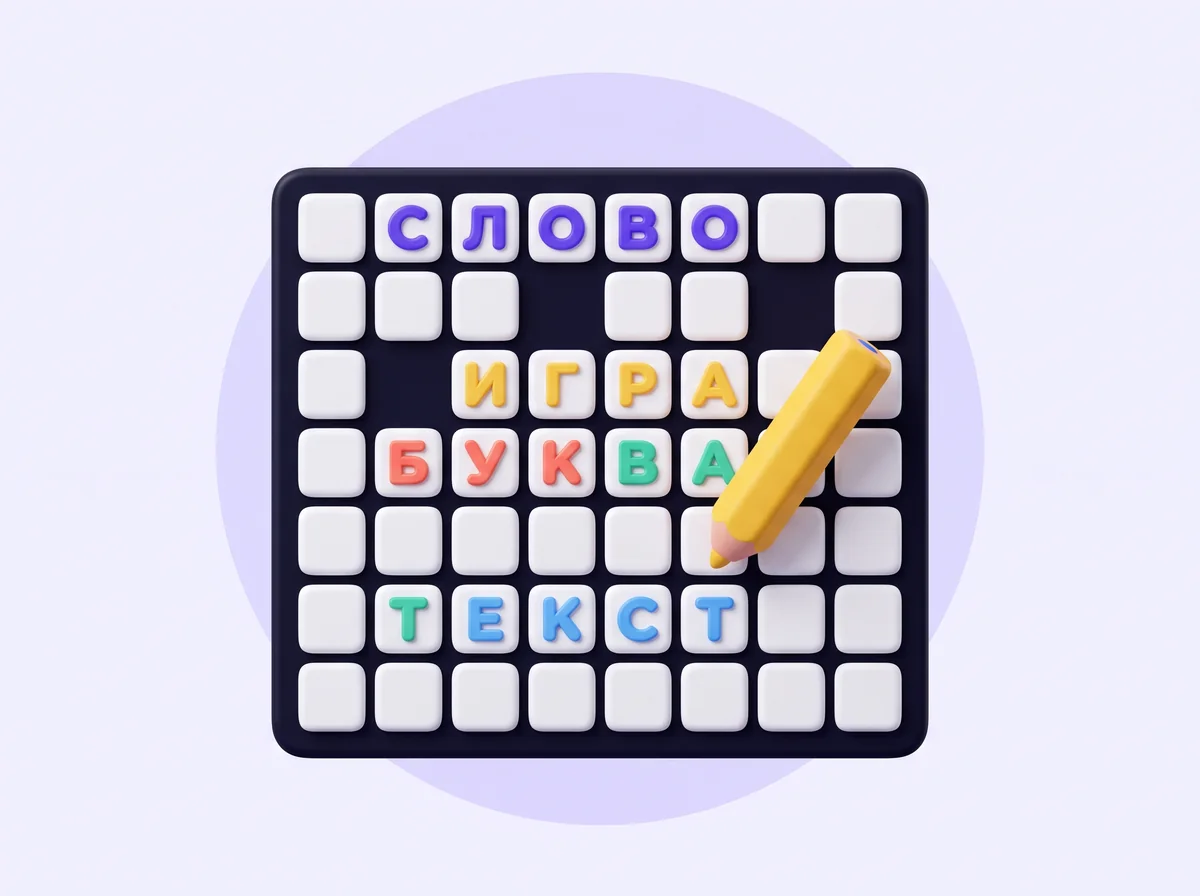 КръстословицаКръстословица от 10 ключови понятия. Решавате на екрана или я разпечатвате.Пусни на проектора
 БесеницаПознайте понятието буква по буква, преди да свършат опитите.Пусни на проектора
 Тайният обектТри подсказки от трудна към лесна. Колкото по-рано познаеш, толкова повече точки.Пусни на проектора
 МемориОбърнати карти с въпроси и отговори. Намерете двойките и запомнете къде са.Пусни на проектора
 Свържи двойкитеШест въпроса и шест отговора, разбъркани. Отборите ги свързват на ред.Пусни на проектора
Мислене
Подреждане и откриване на грешки: разбиране, не наизуст.

Уроци в темата
Кратко обяснение, най-важното за запомняне и въпроси за всеки урок от учебната програма.
Въпроси и отговори: Градът и обществото (Town and society)
Всички въпроси от комплекта по английски език за 7 клас. Натиснете въпроса, за да видите верния отговор и обяснението. Удобно за преговор преди контролно и за подготовка у дома.
City and country
Which word is the opposite of 'noisy'?
- busy
- quiet
- crowded
- loud
Отговор: quiet
Noisy означава „шумен“, а противоположното е quiet („тих“).
Which of these do you usually find in a big city?
- a barn
- a meadow
- a haystack
- a skyscraper
Отговор: a skyscraper
Небостъргачът (skyscraper) е висока сграда в големия град, а обор и ливада има на село.
Which animal do you often see on a farm?
- a lion
- a shark
- a cow
- a penguin
Отговор: a cow
Кравите (cows) живеят във ферми.
In the country you can often see ___.
- skyscrapers and traffic jams
- underground stations
- shopping malls on every street
- fields and farms
Отговор: fields and farms
На село (in the country) има поля и ферми, а небостъргачите и метрото са в големия град.
Which word describes a place with too many people?
- crowded
- peaceful
- empty
- lonely
Отговор: crowded
Crowded означава „претъпкан, пълен с хора“.
The areas around a city where people live are the ___.
- suburbs
- centre
- square
- fields
Отговор: suburbs
Suburbs означава покрайнини, крайни квартали.
Life in the city is ___ than life in a village.
- more stressful
- stressfuller
- most stressful
- the more stressful
Отговор: more stressful
Дългите прилагателни образуват сравнителна степен с more: more stressful.
Village life is ___ than city life.
- peacefuller
- most peaceful
- more peaceful
- much peaceful
Отговор: more peaceful
Peaceful е дълго прилагателно и образува сравнителна степен с more.
Which is a disadvantage of city life?
- many shops
- good schools
- theatres
- traffic jams
Отговор: traffic jams
Задръстванията (traffic jams) са недостатък на градския живот.
Read: 'There isn't much public transport in my village, so I cycle everywhere.' Why does the speaker cycle?
- He hates walking.
- The roads are crowded.
- There are few buses or trains.
- He lives in a big city.
Отговор: There are few buses or trains.
Той кара колело, защото в селото има малко обществен транспорт.
___ people live in your town?
- How much
- How long
- How many
- How often
Отговор: How many
People е броимо съществително в множествено число, затова питаме How many.
My village isn't big ___ for a cinema.
- too
- enough
- very
- much
Отговор: enough
Enough стои след прилагателното: big enough.
Choose the correct sentence.
- There are less cars in the countryside.
- There is fewer cars in the countryside.
- There are fewer cars in the countryside.
- There are little cars in the countryside.
Отговор: There are fewer cars in the countryside.
Fewer се използва с броими съществителни в множествено число (cars), а less с неброими.
Read: 'Although the city offers more jobs, many families move to the countryside for cleaner air.' Why do the families move?
- for cleaner air
- for more jobs
- because the city is quieter
- because there are more shops in the country
Отговор: for cleaner air
Изречението казва, че семействата се местят заради по-чистия въздух, въпреки че в града има повече работа.
Which sentence is correct?
- The city isn't so quiet than the village.
- The city isn't as quieter as the village.
- The city isn't as quiet as the village.
- The city isn't quiet as the village.
Отговор: The city isn't as quiet as the village.
Not as + прилагателно + as.
Modal verbs
You ___ smoke in the hospital. It's forbidden.
- mustn't
- must
- can
- should
Отговор: mustn't
Mustn't изразява забрана: не бива, забранено е.
'Can you swim?' Choose the correct short answer.
- Yes, I do.
- Yes, I am.
- Yes, I must.
- Yes, I can.
Отговор: Yes, I can.
В краткия отговор повтаряме модалния глагол: Yes, I can.
Which modal verb shows ability?
- must
- can
- should
- may
Отговор: can
Can означава мога, умея.
When I was five, I ___ ride a bike.
- can
- must
- should
- could
Отговор: could
Could изразява умение в миналото (when I was five).
It's very cold outside. You ___ wear a warm coat.
- shouldn't
- should
- can't
- mustn't
Отговор: should
Даваме съвет да облечеш палто, затова should.
You ___ wear a helmet on a motorbike. It's the law.
- might
- could
- must
- may
Отговор: must
Законово задължение: must.
___ I open the window, please?
- Am
- May
- Have
- Was
Отговор: May
May I...? е учтив начин да поискаме разрешение.
She ___ come to the party yesterday because she was ill.
- couldn't
- can't
- mustn't
- shouldn't to
Отговор: couldn't
За минала невъзможност използваме couldn't.
I ___ go to the party, but I'm not sure yet.
- must
- have to
- should
- might
Отговор: might
Might показва възможност без сигурност.
You look tired. You ___ go to bed early.
- should
- mustn't
- can't
- couldn't
Отговор: should
Should използваме, за да дадем съвет.
Which sentence is the most polite request?
- You must help me now.
- Help me.
- Could you help me, please?
- You can't help me.
Отговор: Could you help me, please?
Could you..., please? е учтива молба.
Which modal verb shows that something is not necessary?
- needn't
- mustn't
- can't
- shouldn't
Отговор: needn't
Needn't означава не е нужно.
Which sentence is grammatically correct?
- She cans speak three languages.
- She can to speak three languages.
- She can speak three languages.
- She can speaks three languages.
Отговор: She can speak three languages.
Модалните глаголи не приемат -s и след тях следва основна форма без to.
Which sentence means 'It is possible that it will rain'?
- It mustn't rain later.
- It can't rain later.
- It has to rain later.
- It may rain later.
Отговор: It may rain later.
May изразява възможност: може би ще вали.
That ___ be Tom at the door. He's in London today.
- mustn't
- can't
- shouldn't
- needn't
Отговор: can't
Логичен извод, че е невъзможно: can't.
Public places
Where do you borrow books?
- at a bakery
- at a petrol station
- at a bank
- at a library
Отговор: at a library
Книги заемаме от библиотека (library), а купуваме от книжарница (bookshop).
Where do you go to see a doctor in an emergency?
- a cinema
- a hospital
- a supermarket
- a stadium
Отговор: a hospital
При спешен случай отиваме в болница (hospital).
Where do you buy fresh bread?
- at a bank
- at a library
- at a bakery
- at a gym
Отговор: at a bakery
Bakery означава пекарна, фурна.
Where do you go to post a letter?
- the police station
- the post office
- the town hall
- the museum
Отговор: the post office
Писма изпращаме от пощата (post office).
Where can you see old paintings and historical objects?
- a gym
- a museum
- a garage
- a bus stop
Отговор: a museum
В музея (museum) се разглеждат картини и исторически предмети.
Where do you go to watch a play?
- a stadium
- a zoo
- a hotel
- a theatre
Отговор: a theatre
Пиеси се играят в театър (theatre).
A person who works in a pharmacy and gives you medicine is a ___.
- librarian
- pharmacist
- firefighter
- waiter
Отговор: pharmacist
Pharmacist е фармацевт, работи в аптека (pharmacy).
People who put out fires work at the ___.
- police station
- railway station
- petrol station
- fire station
Отговор: fire station
Пожарникарите (firefighters) работят в пожарната (fire station).
Where in a town can you see wild animals?
- at a farm
- at a zoo
- at a park
- at a stadium
Отговор: at a zoo
В зоологическата градина (zoo) има диви животни.
'Excuse me, how do I get to the town hall?' Choose the best answer.
- Yes, I get to the town hall.
- It's a town hall.
- I'm going there yesterday.
- Go straight on and turn left at the traffic lights.
Отговор: Go straight on and turn left at the traffic lights.
На въпрос за посока отговаряме с указания: go straight on, turn left/right.
You want to change euros into dollars. Where do you go?
- a bank
- a bakery
- a library
- a car park
Отговор: a bank
Валута се обменя в банка (bank) или обменно бюро.
The town hall is ___ the bank and the café.
- between
- among
- opposite
- behind
Отговор: between
Between се използва за място между две неща.
Read: 'The museum is opposite the bank and next to the park.' Which is true?
- The bank is across the street from the museum.
- The museum is inside the bank.
- The park is opposite the museum.
- The museum is behind the park.
Отговор: The bank is across the street from the museum.
Opposite означава „срещу“, от другата страна на улицата, а next to означава „до“.
Read: 'The swimming pool is open from Monday to Saturday, 9 a.m. to 8 p.m.' Can you swim there on Sunday morning?
- Yes, from 9 a.m.
- Yes, but only in the evening.
- No, it is closed on Sunday.
- No, it opens at 8 p.m.
Отговор: No, it is closed on Sunday.
Басейнът работи от понеделник до събота, значи в неделя е затворен.
Read the museum sign: 'Do not touch the paintings. Photos without flash are allowed.' Which is true?
- You can touch the paintings.
- You can take photos without flash.
- Photos are not allowed at all.
- You must use flash.
Отговор: You can take photos without flash.
Снимките без светкавица са разрешени (allowed).
The environment
Which of these can we recycle?
- dirty air
- noise
- plastic bottles
- sunlight
Отговор: plastic bottles
Пластмасовите бутилки, хартията и стъклото могат да се рециклират.
Where should we throw rubbish?
- in a river
- in the park
- in a bin
- on the street
Отговор: in a bin
Боклукът се изхвърля в кошче (bin).
Which way of travelling is the cleanest for the air?
- by car
- by plane
- on foot
- by motorbike
Отговор: on foot
Ходенето пеша не замърсява въздуха.
Cutting down forests is called ___.
- pollution
- recycling
- deforestation
- global warming
Отговор: deforestation
Deforestation е изсичане на горите.
Solar energy comes from the ___.
- sun
- wind
- sea
- coal
Отговор: sun
Solar означава „слънчев“, слънчевата енергия идва от слънцето.
Which word means 'отпадъци'?
- waste
- wildlife
- weather
- wood
Отговор: waste
Waste означава отпадъци.
Which is a renewable source of energy?
- wind
- coal
- oil
- natural gas
Отговор: wind
Вятърът не се изчерпва, затова е възобновяем източник. Въглищата, нефтът и газът се изчерпват.
Which word means 'to use something again'?
- reduce
- remove
- replay
- reuse
Отговор: reuse
Reuse означава да използваш нещо отново. Трите R са reduce, reuse, recycle.
If we cut down all the trees, many animals ___ their homes.
- lose
- will lose
- lost
- losing
Отговор: will lose
Първи условен: If + Present Simple, will + глагол.
We save energy when we ___ the lights before we leave a room.
- turn on
- turn up
- turn into
- turn off
Отговор: turn off
Turn off означава „изключвам“, а turn on „включвам“.
Factories ___ the river with chemicals.
- protect
- pollute
- save
- clean
Отговор: pollute
Pollute означава „замърсявам“.
What is the main cause of global warming?
- planting trees
- recycling
- using solar panels
- burning fossil fuels
Отговор: burning fossil fuels
Изгарянето на въглища, нефт и газ отделя въглероден диоксид.
Many animals are in danger of ___ because they are losing their homes.
- extinct
- extinction
- extinguish
- exhibition
Отговор: extinction
След предлога of е нужно съществително: extinction („изчезване“). Extinct е прилагателно.
Choose the correct sentence about saving water.
- We should save water by taking shorter showers.
- We should saving water by taking shorter showers.
- We should to save water by take shorter showers.
- We should saves water by taking shorter showers.
Отговор: We should save water by taking shorter showers.
След should идва основна форма (save), а след предлога by глагол с -ing (taking).
Which word describes products that do not harm the environment?
- eco-friendly
- disposable
- toxic
- polluted
Отговор: eco-friendly
Eco-friendly означава екологичен, безвреден за природата.
Writing an article
What is the title of a newspaper article also called?
- a headline
- a signature
- a postcard
- a footnote
Отговор: a headline
Заглавието на статия във вестник е headline.
What do we call a group of sentences about one main idea?
- a headline
- a stamp
- a paragraph
- a dictionary
Отговор: a paragraph
Paragraph (абзац) е група изречения за една основна идея.
Which punctuation mark ends a question?
- .
- ?
- !
- ,
Отговор: ?
Въпросът завършва с въпросителен знак.
Which is the best way to start a formal email to someone whose name you don't know?
- Hi mate!
- Hey you,
- Dear Sir or Madam,
- Love,
Отговор: Dear Sir or Madam,
Когато не знаем името, официалното обръщение е Dear Sir or Madam.
Which is a good ending for an informal email to a friend?
- Yours faithfully,
- Dear Sir,
- To whom it may concern,
- Best wishes,
Отговор: Best wishes,
Best wishes е подходящ неофициален завършек.
Which phrase introduces an example?
- however
- finally
- for example
- although
Отговор: for example
For example (например) въвежда пример.
Which linking word shows a contrast?
- Moreover
- Firstly
- Also
- However
Отговор: However
However въвежда противопоставяне, а Moreover и Also добавят идея.
Which linking phrase adds another idea?
- However
- In addition
- Although
- But
Отговор: In addition
In addition („освен това“) добавя идея, а However, Although и But въвеждат противопоставяне.
Which linking word gives a reason?
- so
- but
- although
- because
Отговор: because
Because (защото) дава причина.
You start an email with 'Dear Mr Brown,'. How should you end it?
- Yours faithfully,
- Yours sincerely,
- Lots of love,
- See ya,
Отговор: Yours sincerely,
Когато знаем името, завършваме с Yours sincerely. Yours faithfully е след Dear Sir or Madam.
Which phrase usually begins the last paragraph of an article?
- Firstly,
- In conclusion,
- For example,
- Once upon a time,
Отговор: In conclusion,
In conclusion („в заключение“) въвежда последния абзац.
Which is a good first line for an informal email to a friend?
- Hi Maria! Thanks for your email.
- Dear Sir or Madam,
- I am writing to complain about the service.
- Yours faithfully,
Отговор: Hi Maria! Thanks for your email.
В неформален имейл започваме приятелски: Hi + име.
Which sentence is the best opening for a magazine article about city parks?
- This is my article.
- Have you ever wondered where people in your town go to relax?
- Parks. Parks. Parks.
- I don't know much about parks.
Отговор: Have you ever wondered where people in your town go to relax?
Въпрос към читателя в началото привлича вниманието му.
Which sentence is the most suitable for a formal email to the town council?
- Hey, your town has no cycle lanes, lol.
- Cycle lanes? Nope, none here!
- Guys, fix the cycle lanes!
- I am writing to complain about the lack of cycle lanes in our town.
Отговор: I am writing to complain about the lack of cycle lanes in our town.
Официалният имейл започва с I am writing to... и няма разговорни думи.
Which is the best topic sentence for a paragraph about the benefits of parks?
- I went to the park.
- Parks have many benefits for people in cities.
- Parks are green.
- My friend likes cats.
Отговор: Parks have many benefits for people in cities.
Тематичното изречение казва основната идея на абзаца.
Финален въпрос
Complete with modal verbs: 'In the library you ___ talk loudly, but you ___ borrow up to five books.'
Отговор: mustn't / can
Mustn't изразява забрана (не бива да говориш високо), а can изразява възможност или разрешение (можеш да заемеш до пет книги).
Ключови понятия по темата
- Village
- Малко селище в провинцията, по-малко от град
- Library
- Място, откъдето заемаш книги
- Museum
- Място, където разглеждаш стари предмети и картини
- Pollution
- Когато въздухът, водата или почвата станат мръсни
- Recycle
- Да преработиш стари материали в нови
- Headline
- Заглавие на статия във вестник
- Paragraph
- Група изречения за една основна идея
- Traffic
- Колите и автобусите, които се движат по улиците
- Pharmacy
- Магазин, в който купуваш лекарства
- Environment
- Природата около нас, която трябва да пазим
Често задавани въпроси
Как да проведа час по темата „Градът и обществото (Town and society)“ с игра?
Изберете игра от комплекта и я пуснете на проектора или интерактивната дъска. Табло е добро за преговор на целия раздел, Ескейп стая е подходяща преди контролно, а Вярно или невярно е бърза загрявка в началото на часа. Не е нужно нищо за инсталиране.
По учебната програма ли са въпросите за 7 клас?
Да. Въпросите следват учебната програма на МОН по английски език за 7 клас (прогимназиален етап) и покриват: City and country, Modal verbs, Public places, The environment, Writing an article.
Могат ли учениците да отговарят от телефоните си?
Да. С режим „На живо“ всеки ученик влиза с код от телефона си, отговаря на въпросите и вижда класацията в реално време.
Може ли детето да упражнява темата у дома?
Да. В раздел „У дома“ детето играе със същите въпроси, събира звезди и повтаря грешките си, а родителят вижда напредъка.